Key Highlights
- Definition: The Vertical Shaft Impact Crusher (VSI) is a high-efficiency crushing machine that uses centrifugal force and high-speed impact to process materials for sand production and fine ore crushing.
- Working Principle: Materials are accelerated by a high-speed rotor and crushed through “rock-on-rock” or “rock-on-steel” mechanisms.
- Market Price: Typically ranges between $15,000 and $50,000, depending on model, size, and capacity.
- Applications: Commonly used for manufactured sand production, ore refining, and recycling in construction waste management.
- Selection Guide: Choose the right VSI model based on production needs, material type, and budget.
- Success Stories: Case studies of VSI usage in road construction, ore processing, and waste recycling demonstrate its versatility and efficiency.
What is a Vertical Shaft Impact Crusher?
The Vertical Shaft Impact Crusher (VSI) utilizes centrifugal force and high-speed impact to crush materials into fine, uniform particles. By employing this advanced crushing technology, VSI machines efficiently produce high-quality materials, such as manufactured sand and refined minerals, and process construction waste and other solid materials.
How Does a Vertical Shaft Impact Crusher Work?
Принцип работы

The VSI transforms raw materials through a combination of high-speed rotation and impact forces. Its crushing chamber is designed to enhance material acceleration, collision, and size reduction.
Step-by-Step Crushing Process:
- Raw materials enter the machine through the feeding port.
- The rotor rapidly spins, generating extreme centrifugal force that accelerates the materials.
- Accelerated materials collide with each other or the chamber walls, breaking down into smaller particles.
- Crushed materials are discharged from the bottom outlet.
Depending on application needs, VSI machines can operate in the following modes:
- Rock-on-Rock: Materials collide with each other, minimizing wear on the machine and ensuring high-quality particle shapes.
- Rock-on-Steel: Materials are smashed against steel protection plates, enhancing crushing efficiency for medium-hard materials.
Key Features & Advantages
- Efficient Crushing Mechanism: Achieves faster material processing through centrifugal acceleration and precise impacting.
- High Particle Quality: Produces uniform cubic-shaped grains ideal for concrete and construction applications.
- Compact Design: Space-saving design ensures suitability for small and medium-sized facilities.
- Multi-material Compatibility: Handles a wide range of materials, including hard rock, ore, concrete debris, and more.
- Durability: Reinforced wear-resistant components extend equipment lifespan and reduce maintenance frequency.
- Environmental Benefits: Reduces dust and waste, contributing to sustainable material processing.
Market Price Overview
Price Ranges
Vertical Shaft Impact Crushers are available at different price points based on capacity, size, and functionality:
| Model | Hourly Capacity | Price Range (USD) |
|---|---|---|
| Small VSI | 50–100 tons/hour | $15,000–25,000 |
| Medium VSI | 100–300 tons/hour | $25,000–40,000 |
| Large VSI | 300–500 tons/hour | $40,000–50,000 |
Factors Influencing Price
- Capacity & Scale: Larger machines with higher capacity will cost more.
- Material Quality: Machines fitted with superior wear-resistant parts have higher upfront costs but lower maintenance costs.
- Supplier Brand: Renowned brands often command premium prices for better reliability and after-sales support.
- Regional Demand: Transport, installation, and logistics costs vary by location.
How to Choose the Right Vertical Shaft Impact Crusher: Five Simple Steps
Step 1: Define Your Production Needs
Determine the required hourly capacity based on your current and future production scale. For example, smaller models (50–100 tons/hour) are suited for light to medium projects, whereas larger models (300 tons/hour or above) are ideal for large-scale processing.
Step 2: Evaluate Material Specifications
Analyze material characteristics:
- Hardness: Hard materials like basalt may require tougher components.
- Moisture Content: Wet materials may require anti-blocking features.
- Feed Size: Ensure the chosen model can handle your material’s initial size.
Step 3: Define Your Budget
Set a budget considering the initial purchase cost and long-term maintenance expenses.
- Small Models: Economical options for small-scale facilities, priced at $15,000–25,000.
- Advanced Models: Designed for high-volume and high-quality production, priced at $40,000–50,000.
Step 4: Select a Crushing Mode
Select between “rock-on-rock” or “rock-on-steel” based on crushing targets:
- Rock-on-rock: Ideal for manufactured sand, providing a uniform shape for softer materials.
- Rock-on-steel: Best for medium-hard materials and construction waste recycling.
Step 5: Research Suppliers
Pick trusted manufacturers or suppliers who offer:
- Reliable after-sales support: Assistance with installation, operation, and maintenance.
- Warranty coverage: Protection for essential components.
- Training options: Ensure operators are capable of running the equipment efficiently.
Applications & Detailed Case Studies
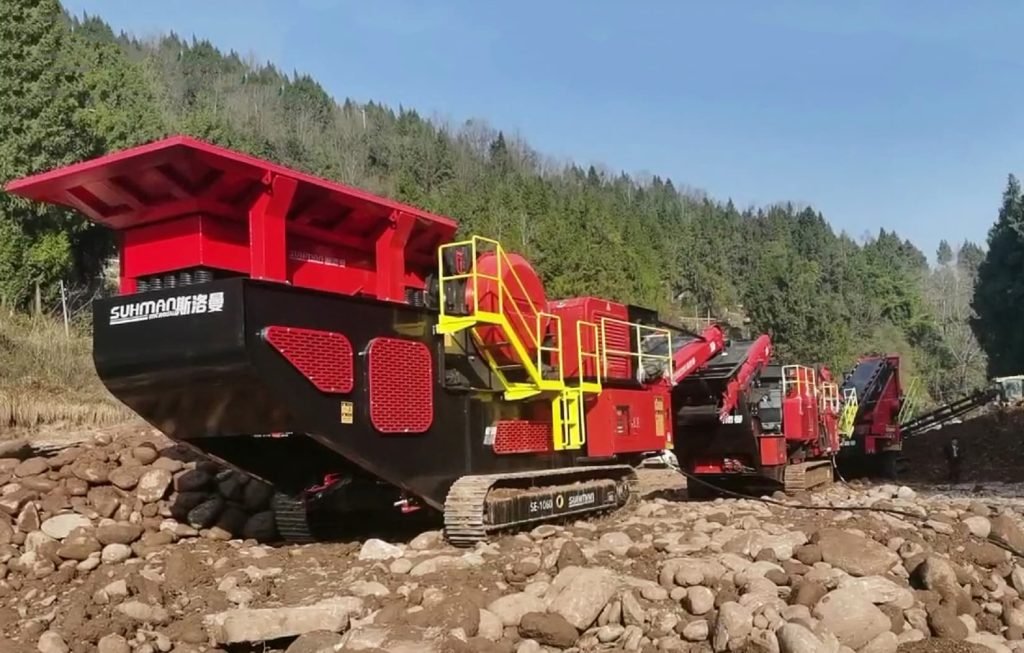
Case Study 1: Brazil – Manufactured Sand for Highways
Background:
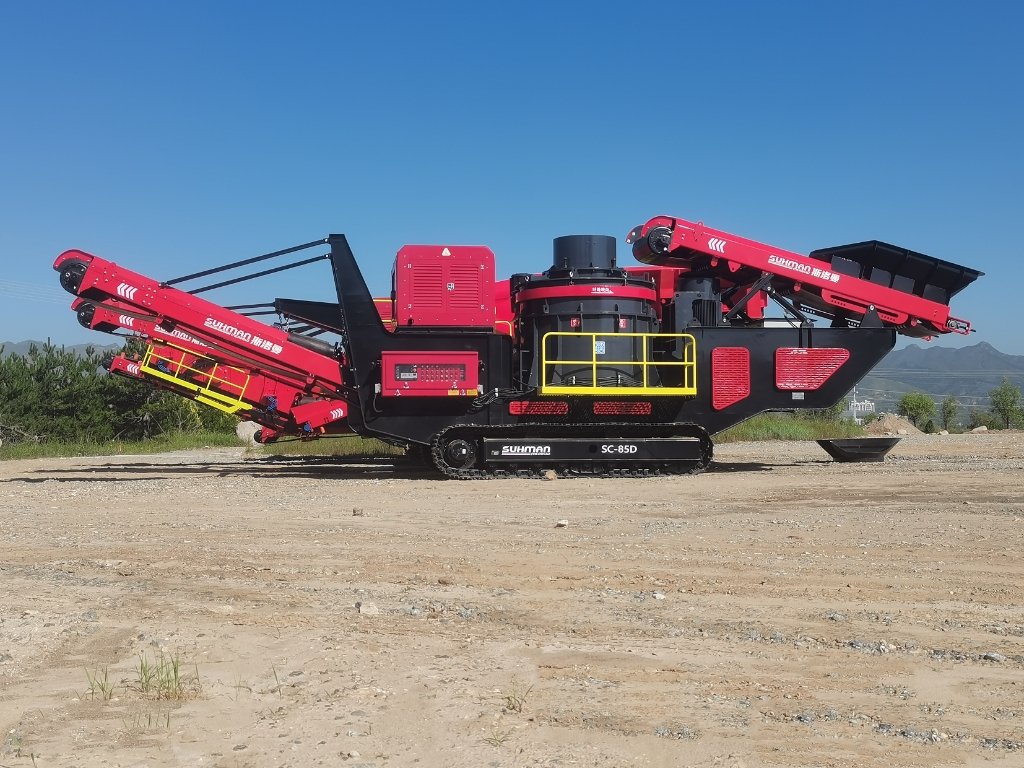
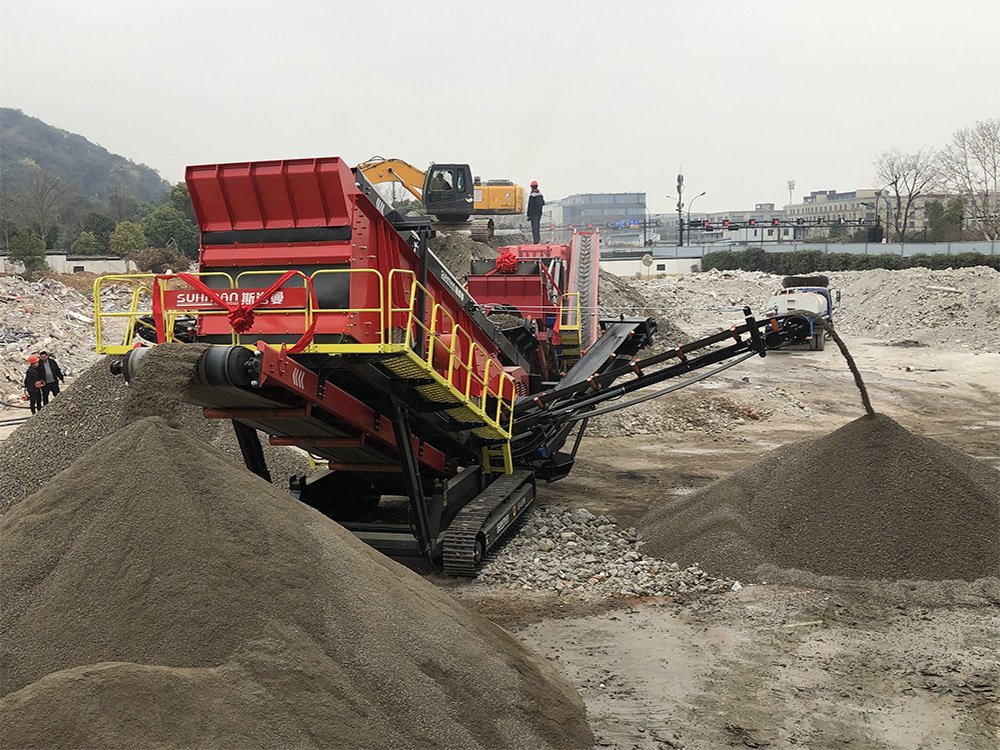
A Brazilian construction company undertook a 200-kilometer highway project and required high-quality sand for road base and bridge construction. Given the scarcity of natural sand, the team opted for a VSI crusher.
Solution:
The company installed a medium VSI crusher (capacity: 150 tons/hour) operating in the “rock-on-rock” mode, producing consistent, cube-shaped particles. Adjustments to rotor speed and feed ensured particle size met all specifications.
Result:
The VSI produced over 1,200 tons of sand daily, reducing reliance on external suppliers. The project finished on time, and the sand quality enabled flawless pavement compression.
Case Study 2: Russia – Processing Iron Ore
Background:
A mining company in Siberia needed to process iron ore locally to reduce long-haul transport costs while maintaining particle uniformity for further refining.
Solution:
The company invested in a large VSI crusher (capacity: 300 tons/hour) configured for “rock-on-steel” mode to handle harder materials. The supplier optimized settings for extreme cold temperatures common in Siberia.
Result:
Transport logistics improved by 37%, saving $120,000 annually in shipping costs. The crushed ore enabled higher refinement and lower operational costs.
Case Study 3: Vietnam – Green Recycling of Construction Waste
Background:
A recycling-based construction firm needed to process demolition debris into reusable aggregate for urban development projects.
Solution:
The firm installed a VSI capable of processing 200 tons/hour in the “rock-on-steel” mode for handling reinforced concrete and bricks. Additional anti-clogging systems were added to manage moisture-heavy waste.
Result:
The company recycled 1,500 tons of waste daily into high-grade aggregate for roads and housing construction. Environmental savings exceeded $80,000 annually, earning government recognition.
FAQ
1. What materials can a VSI crush?
It handles various materials, including hard rocks, ores, and construction debris.
2. Can it process high-moisture materials?
Yes, models with anti-clogging designs can efficiently handle wet materials.
3. How much does a VSI cost?
Prices range from $15,000 to $50,000, depending on size and capacity.