Introduction
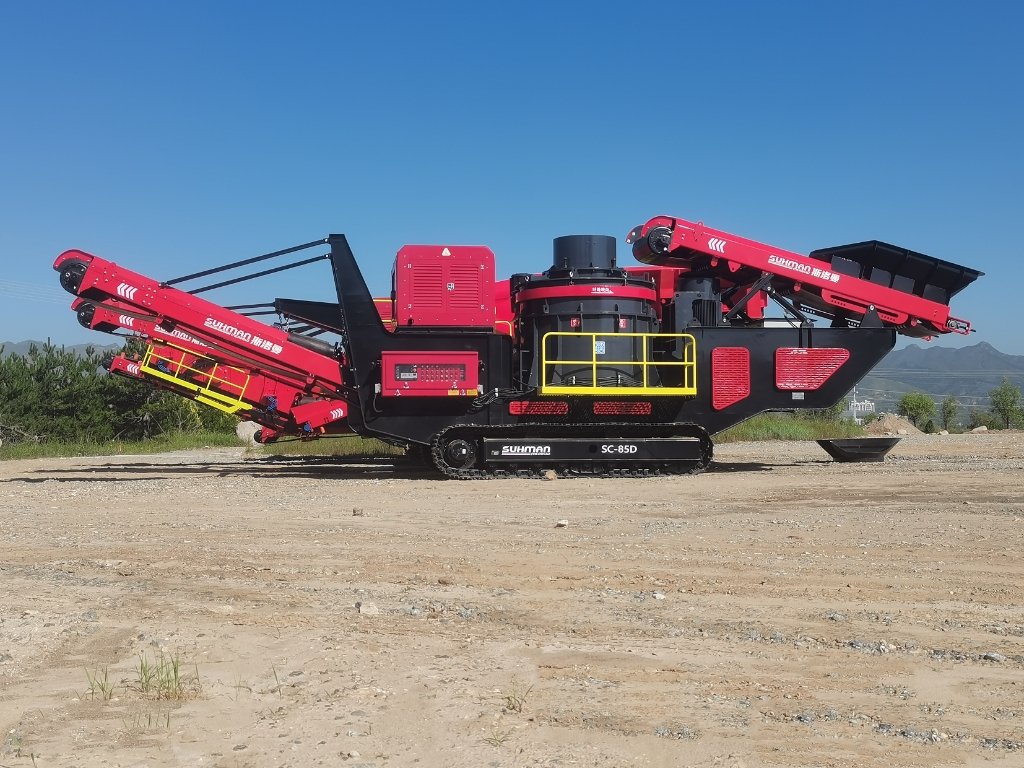
A jaw crusher machine is an industrial application used to crush hard materials like rocks, minerals, concrete, and demolition debris into smaller, more manageable sizes. This essential device is pivotal in several industries, ranging from mining operations to construction and recycling tasks. Renowned for its simplicity, durability, and efficiency, the jaw crusher remains a cornerstone in material reduction processes.
This article explores not only how jaw crushers work but also their types, various applications, and an in-depth analysis of their demand across global markets.
What is a Jaw Crusher Machine?
A jaw crusher machine operates by using a compressive force mechanism. In the crushing chamber, material is fed at the top, where it gets trapped between two plates:
Fixed Jaw: Stationary plate.
Swing Jaw: Oscillating plate that moves back and forth to apply force.
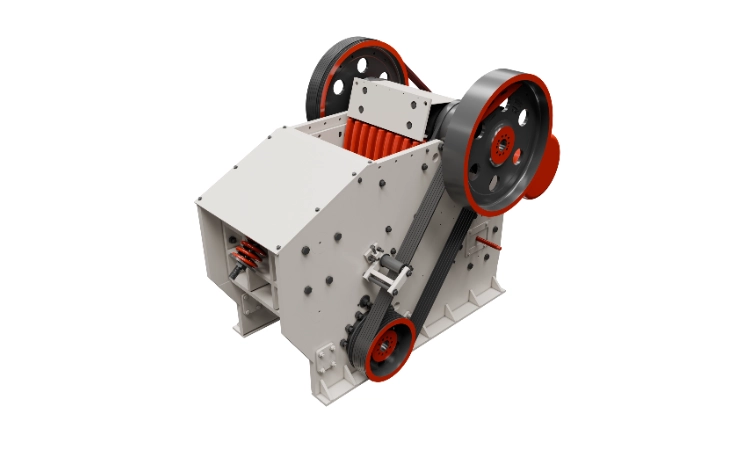

As the swing jaw compresses the material against the fixed jaw, it gradually gets broken down into smaller pieces until it exits through the discharge opening at the bottom of the crusher.
Types of Jaw Crushers
There are various types of jaw crushers designed to meet different industrial needs. Below, the three primary forms are outlined:
Standard Jaw Crushers
Use Case: Often used in mining, quarries, and large-scale material processing tasks.
المزايا: High throughput,Durable construction.
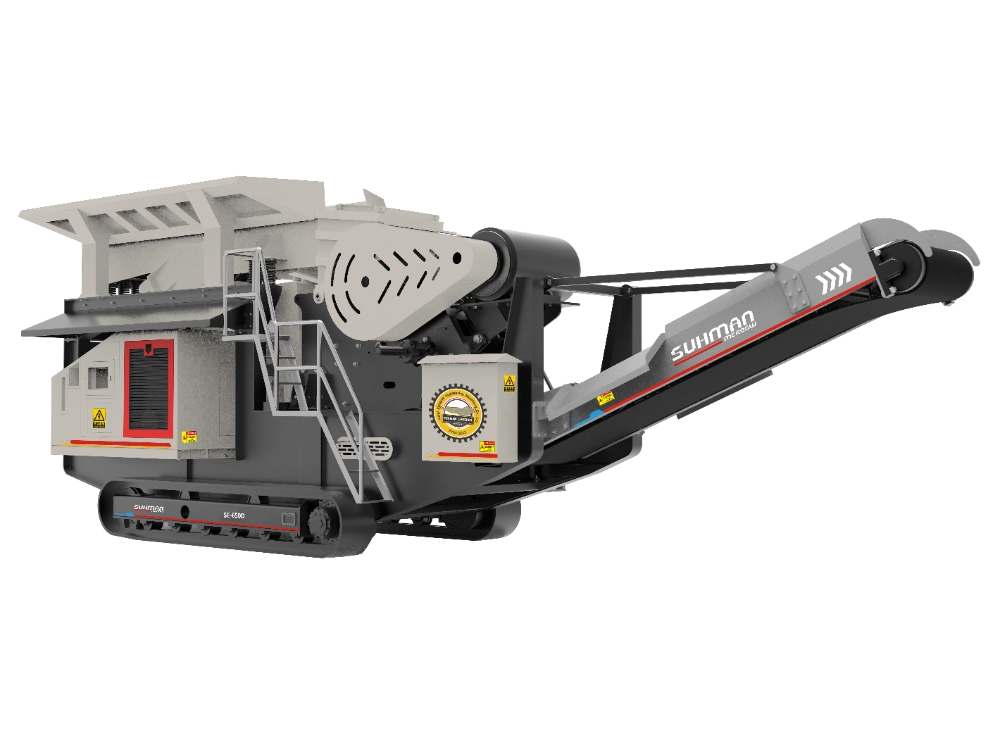

Portable Jaw Crushers
Use Case: Ideal for mobile or on-site projects requiring frequent relocation, such as construction sites or regional quarries.
المزايا: Lightweight and flexible,Reduces transportation needs.
Heavy-Duty Jaw Crushers
Use Case: Built for handling hard materials, such as granite, basalt, or dense ores.
المزايا: Enhanced crushing capacity,Excellent longevity and reliability.
Key Applications of Jaw Crusher Machines

-1024x438.png)
Mining Industry
Mining relies heavily on jaw crushers to process materials like gold, iron ore, coal, و copper. These machines crush ores into smaller sizes, making transportation and further refinement more efficient.
Construction and Infrastructure
Essential in building roads, tunnels, and bridges.
Produces construction aggregates, such as coarse gravel, crushed stones, and fine sand.
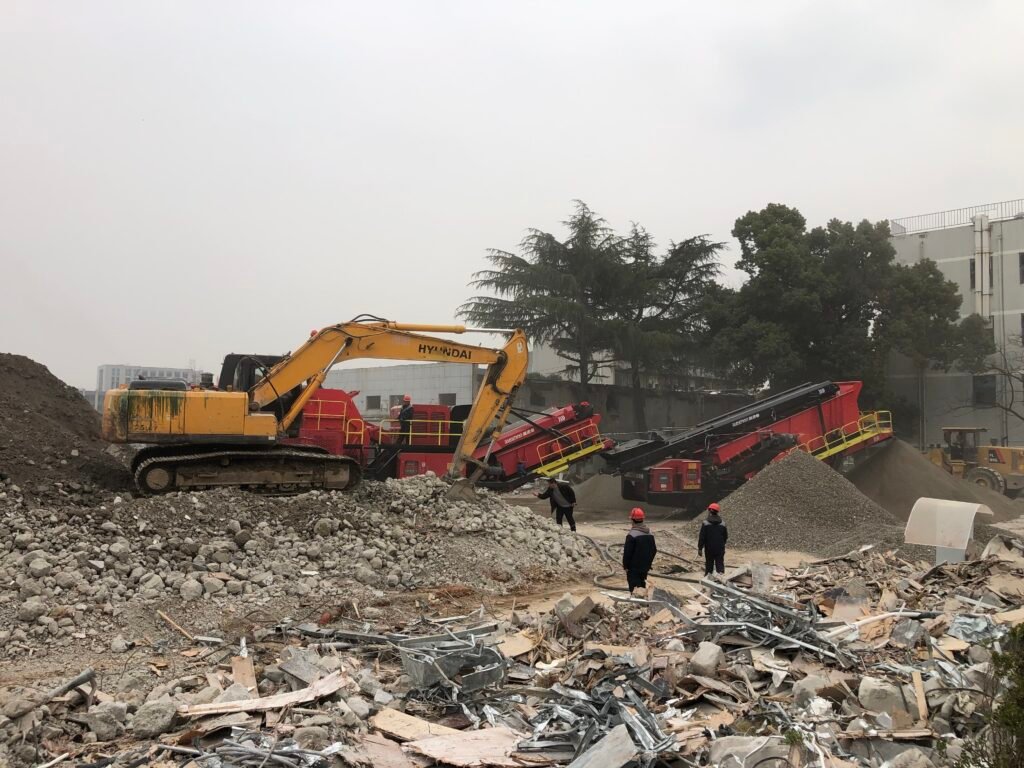
Jaw crushers help recycle construction waste like concrete into reusable materials.
Recycling Industry
The recycling industry utilizes jaw crushers to process demolition debris, old concrete, and even asphalt. The outcome? Reusable materials that reduce landfill dependency.
Quarrying Sector
Jaw crushers are indispensable in breaking down natural rocks into ballast for railway projects or small aggregates for concrete batch plants.
GEO Analysis: Applications by Global Region
Different regions exhibit unique demands for jaw crusher machines due to varying industries, geographies, and project requirements. Below are specific examples:
United States: Texas and California as Key Markets
Applications:
Texas: Known for limestone production, jaw crushers are extensively used in aggregate production and road construction.
California: Renowned for large-scale demolition and construction projects. Crushers are employed to recycle concrete and asphalt into high-quality aggregates.
Recommended Features:
High heat resistance for work in warmer climates.
Portable models for on-site crushing and easier material transportation.
India: Leading Market for Construction and Mining
Applications:
Rajasthan and Odisha: Major hubs for iron ore and coal mining, where jaw crushers break down cores for global export.
Urban redevelopment in cities increasingly uses crushers to recycle construction waste.
Recommended Features:
Energy-efficient units to sustain remote mining operations.
Heavy-duty designs capable of handling high-strength ores and debris.
Africa: Rising Demand in Mining and Construction
Applications:
South Africa: Jaw crushers handle valuable resources like gold and iron ore.
Nigeria and Zambia: Relatively isolated mining locations favor portable jaw crushers due to limited transportation infrastructure.
Recommended Features:
Mobile units capable of rotating between sites.
Enhanced durability and resistance to wear from dense ores.
China: Sustainability-Focused Markets
Applications:
Urban areas like Shanghai employ jaw crushers for processing demolition waste into recycled aggregates.
Large-scale infrastructure projects like high-speed railway and highway constructions.
Recommended Features:
Environmentally friendly jaw crushers with low-noise and low-emission designs.
Machines with high production capacities for handling massive urban projects.
Europe: Innovation and Environmental Compliance
Applications:
Countries like Germany and the UK prioritize using jaw crushers that align with EU environmental regulations.
Crushers are pivotal in recycling concrete into secondary raw materials for green construction.
Recommended Features:
Compliance with EU directives.
Flexible systems combining stationary and portable configurations.
Practical Operation Guide for Jaw Crushers
1.Before Operation:
Inspect the jaw plates and ensure all bolts are firmly secured.
Adjust the delivery size to meet the desired aggregate size specifications.
2.During Operations:
Regularly monitor the feed to avoid overloading.
Keep an eye on unusual vibrations, blockages, or sounds that indicate mechanical issues.
3.After Operations:
Clean the machine to remove any dust or debris from moving parts.
Lubricate critical components as part of regular maintenance.
Maintenance Tips for Jaw Crushers
Daily Lubrication: Lubricate moving jaws, bearings, and pivot points to reduce wear.
Check Wear Parts: Inspect plates weekly for damage or signs of wear.
Avoid Overloading: Stick to the recommended feed size to avoid jamming and overstraining components.
Replace Key Components: Regularly assess springs, bolts, and other critical elements.
Comparison of Jaw Crushers vs. Other Crushers
| Feature | الكسارة الفكية | كسارة مخروطية | الكسارة الصدمية |
|---|---|---|---|
| Primary Usage | Primary crushing | Secondary/Tertiary | Tertiary and recycling |
| Material Hardness | Medium to high | High | Medium |
| Portability | Portable and Stationary | Mostly Stationary | Portable options |
| Energy Consumption | Low to Medium | Medium | Medium |
FAQ
Q1. How often should jaw plates be replaced?
A: Jaw plates typically last between 70 and 90 days under normal usage. Conduct regular inspections to maximize their lifespan.
Q2. Can jaw crushers be used for recycling?
A: Yes. Many recycling plants rely on them to process construction debris into secondary material.
Q3. What factors impact the output size of a jaw crusher?
A: Factors include feed size, jaw settings, and the wear conditions of the jaw plates.
Conclusion
The jaw crusher is an indispensable machine across industries. With its wide-ranging applications and adaptability to regional needs, businesses can achieve higher productivity and sustainability. By understanding the operational nuances, global requirements, and maintenance guidelines, companies can harness the full potential of jaw crushers.
This article provides the insights needed to select the right machine for varying geographical and industrial applications. Should you have any specific requirements or queries, feel free to contact us!