
Preface
The global jaw crusher market has experienced significant growth in recent years, with increasing demand from mining, quarrying, and construction industries across Southeast Asia, Africa, South America, and the Middle East. As a leading jaw crusher manufacturer and exporter, SUHMAN has supplied mobile jaw crushers and portable jaw crushing plants to over 500 clients in 60+ countries.
Proper jaw crusher maintenance and operation is critical for maximizing equipment lifespan, reducing downtime, and ensuring optimal return on investment—especially for international buyers who may face longer lead times for jaw crusher parts and technical support.
This comprehensive guide covers jaw crusher daily maintenance, operational best practices, and troubleshooting tips specifically designed for mining equipment and quarry equipment operators worldwide.
1. Crushing the Right Materials
Selecting appropriate feed material is the first step in ensuring reliable jaw crusher machine performance.
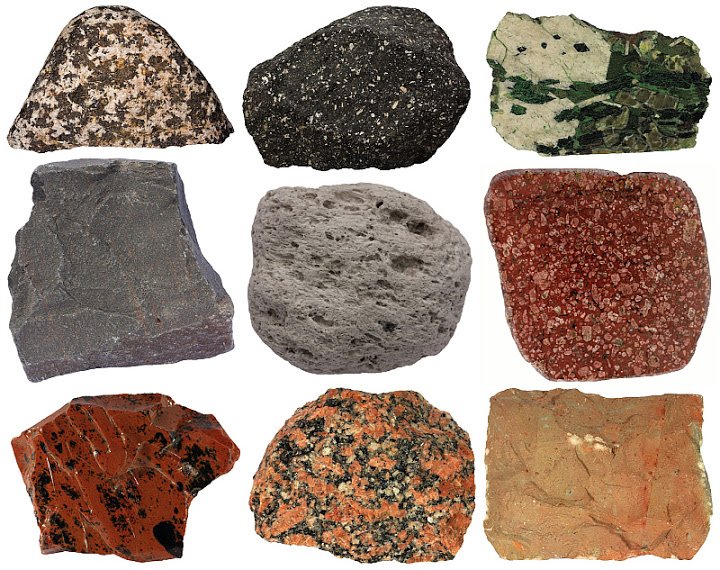
1.1 Recommended Materials
SUHMAN jaw crushers for sale are engineered to process the following materials:
| Material Type | Examples | Hardness Level | Typical Applications |
|---|---|---|---|
| Hard Rock | Granite, Basalt, Andesite, River Pebbles | High (15-19 Mohs) | Mining, Quarry, Aggregate Production |
| Medium Rock | Limestone, Bluestone, Dolomite | Medium (8-12 Mohs) | Construction, Road Building |
| Soft Rock | Coal, Clay, Shale | Low (3-6 Mohs) | Power Plants, Cement Industry |
| Ore | Iron Ore, Copper Ore, Gold Ore | High (15-20 Mohs) | Mining & Mineral Processing |
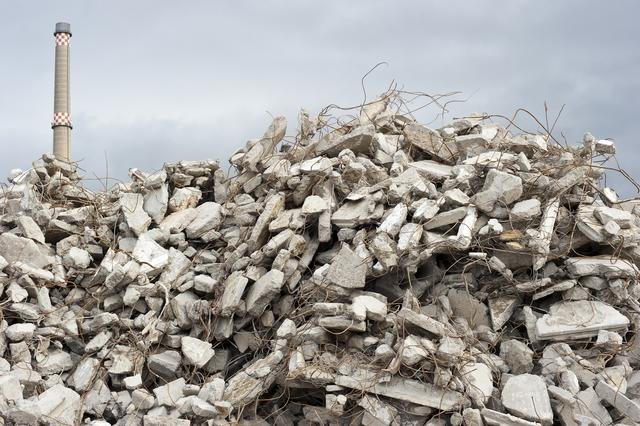
| Recycled Materials | Concrete, Demolition Waste, Asphalt | Variable | Construction Waste Recycling |

1.2 Feed Size Specifications
Different jaw crusher models have different maximum feed openings:
| Model | Type | Max Feed Size | Capacity |
|---|---|---|---|
| SE-650D | Mini Mobile Jaw Crusher | ≤500mm | 50-130 tph |
| SE-1060 | Mobile Jaw Crusher | ≤700mm | 200-250 tph |
| SE-1160 | Heavy Duty Mobile Jaw Crusher | ≤700mm | 230-280 tph |
| TZ6510 | Dual-Core Jaw Crusher | ≤650×1000mm | 80-300 tph |
| SE-J1060 | Modular/Stationary Jaw Crusher | ≤700mm | 200-250 tph |
⚠️ Important: Exceeding the maximum feed size can cause premature wear of jaw crusher wear parts (jaw plates, toggle plates, bearings) and potential damage to the main frame.
1.3 Materials to Avoid
The following materials should NOT enter the jaw crusher:
- ❌ Long steel bars (exceeding feed opening dimensions)
- ❌ Uncrushable metal pieces (steel plates, large iron blocks)
- ❌ High clay content materials (>15% clay/mud)
- ❌ High moisture materials (>15% water content)
- ❌ Wood, plastic, rubber, and other non-crushable debris
- ❌ Explosive or flammable materials
2. Stable Power Supply Requirements
For electric-powered jaw crushers, unstable electrical supply is one of the leading causes of equipment failure in international mining operations.
2.1 Impact of Unstable Power
| Issue | Consequence | Prevention |
|---|---|---|
| Voltage Fluctuation (±10%) | Motor overheating, reduced lifespan | Install voltage stabilizer |
| Low Voltage Startup | Motor fails to start, burns out | Use soft starter or VFD |
| Phase Imbalance | Motor vibration, bearing damage | Check 3-phase balance regularly |
| Power Interruption | Production downtime, material buildup | Install backup generator |
2.2 Recommended Power Configuration
- Dedicated Transformer: Do not share with other high-power equipment
- Voltage Stabilizer: Maintain ±5% tolerance
- Soft Starter: Reduce inrush current during startup
- Backup Generator: For remote mining sites without grid power
- For Diesel-Driven Units: Ensure fuel quality meets national standards (Euro II/Euro III/EPA Tier 3)
💡 Export Note: SUHMAN offers dual-power versions (electric + diesel) for customers in regions with unreliable grid infrastructure (Africa, Southeast Asia, South America).
3. Pre-Operation Inspection Checklist
Complete the following checks before each jaw crusher startup:
3.1 Feed System Inspection
- ✅ Ensure feed hopper is clean and free of foreign objects
- ✅ Check that no residual material remains in the crushing chamber
- ✅ Verify vibrating feeder is functioning properly
- ✅ Confirm feed chute is not worn or blocked
3.2 Drive System Inspection
- ✅ Check V-belt tension (proper deflection: 10-15mm under thumb pressure)
- ✅ Inspect belts for cracks, wear, or glazing
- ✅ Verify motor/diesel engine oil level and coolant
- ✅ Check coupling and drive shaft alignment
3.3 Lubrication System Inspection
- ✅ Check bearing grease level (re-lubricate every 8 operating hours)
- ✅ Inspect lubricating oil for contamination or discoloration
- ✅ Verify eccentric shaft lubrication is functioning
- ✅ Check grease fittings are not clogged
3.4 Fastener & Structural Inspection
- ✅ Check foundation bolts for tightness (torque to specification)
- ✅ Inspect jaw plate fixing bolts (re-torque after first 50 hours)
- ✅ Verify all safety guards are in place and secure
- ✅ Check for cracks or weld failures on main frame
3.5 Discharge Conveyor Inspection
- ✅ Check belt tension and tracking
- ✅ Inspect belt for cuts, tears, or excessive wear
- ✅ Verify tail pulley and head pulley are aligned
- ✅ Ensure discharge chute is not blocked
4. Proper Feeding Practices
Correct feeding is essential for maximizing jaw crusher productivity and minimizing wear.
4.1 Uniform Feeding
- Use a vibrating feeder or apron feeder for consistent material flow
- Maintain continuous, steady feed rate (avoid “feast or famine”)
- Target 80-90% of rated capacity for optimal efficiency
- Monitor amperage draw to adjust feed rate
4.2 Construction Waste Pre-Processing
When processing construction and demolition (C&D) waste:
- Remove rebar exceeding 1 meter in length (cut by workers beforehand)
- Extract wood, plastic, wire, and other non-crushable materials
- Pre-break oversized concrete blocks to within feed size limits
- Use magnetic separator to remove loose steel from feed stream
4.3 Feed Size Control
- Never exceed maximum feed size (refer to equipment nameplate)
- Recommended feed size: 80-85% of feed opening width
- Use grizzly feeder or scalping screen to remove undersize material
- Consider primary jaw crusher + secondary cone crusher configuration for large quarries
4.4 Moisture & Clay Management
High clay or moisture content causes:
- Crushing chamber blockage
- Accelerated jaw plate wear
- Reduced throughput (up to 40% loss)
- Increased power consumption
Solutions for tropical/wet climates:
- Pre-screening to remove fines (<20mm)
- Stockpile materials to reduce moisture (sun drying)
- Install water spray system to control dust (not for high-clay materials)
- Consider wet crushing configuration for specific applications
5. Correct Startup Procedure
5.1 Standard Startup Sequence
- Pre-Start Check: Confirm crushing chamber is clean and free of material
- Start Dust Suppression System (if equipped)
- Start Discharge Conveyor: Ensure downstream equipment is running
- Start Jaw Crusher (No-Load): Run empty for 2-3 minutes
- Check Rotation Direction: Verify flywheel rotates in correct direction (jaw plate moves downward)
- Monitor Amperage: Confirm no-load current is within normal range
- Begin Feeding: Start feeder gradually, monitor load amperage
- Reach Full Load: Adjust feed rate to achieve 85-90% of rated capacity
⚠️ WARNING: NEVER start jaw crusher under load! Load startup can cause:
- Motor burnout
- Sheared pins or broken toggle plates
- Damaged bearings or eccentric shaft
- Voided warranty
5.2 Cold Weather Startup (Below 0°C / 32°F)
For customers in Russia, Canada, Northern Europe, high-altitude mining:
- Pre-heat hydraulic oil and lubricants (use winter-grade oil)
- Allow 5-10 minutes warm-up period before feeding
- Check battery condition (cold reduces battery capacity)
- Inspect belts for brittleness or cracking
6. Correct Shutdown Procedure
6.1 Standard Shutdown Sequence
- Stop Feeding: Turn off vibrating feeder or apron feeder first
- Continue Running: Allow jaw crusher to run for 2-3 minutes
- Confirm Empty: Verify all material has been discharged from crushing chamber
- Stop Jaw Crusher: Press stop button
- Stop Discharge Conveyor: After all material has cleared the belt
- Turn Off Power: Switch off main electrical disconnect
- Lock Out / Tag Out: Follow safety procedures for maintenance
6.2 Emergency Shutdown
Press emergency stop immediately if:
- Unusual noise or banging from crushing chamber
- Excessive vibration (visible shaking of main frame)
- Motor amperage exceeds 100% of rated current
- Bearing temperature exceeds 80°C (176°F)
- Oil leak or hydraulic failure
- Safety guard removed or breached
⚠️ After Emergency Stop: Do not restart until:
- Crushing chamber is completely cleared
- Cause of problem is identified and corrected
- All jaw crusher spare parts are inspected for damage
7. Operational Best Practices
7.1 Discharge Setting Adjustment
- ❌ NEVER adjust discharge setting while crusher is running
- ✅ Stop crusher and confirm chamber is empty
- ✅ Use adjustment ring or hydraulic system (per model)
- ✅ Check setting with lead ball or calibration tool
- ✅ Re-toggle bolts after adjustment
7.2 Automatic Protection Systems
SUHMAN jaw crushers for international markets include:
| Protection Feature | Function | Action Required |
|---|---|---|
| Overload Protection | Auto-stop when current exceeds limit | Clear chamber, reduce feed rate |
| Bearing Temperature Sensor | Alarm at 75°C, stop at 85°C | Check lubrication, inspect bearings |
| Vibration Sensor | Detects abnormal vibration | Check foundation, inspect components |
| Oil Flow Monitor | Ensures adequate lubrication | Check oil level, pump function |
7.3 Running Parameters to Monitor
| Parameter | Normal Range | Alarm/Stop | Action |
|---|---|---|---|
| Motor Current | 80-95% of rated | >100% | Reduce feed or stop |
| Bearing Temperature | 40-70°C | >80°C | Stop, check lubrication |
| Vibration Level | <4.5 mm/s | >7.1 mm/s | Stop, inspect foundation |
| Noise Level | <85 dB(A) | >95 dB(A) | Check crushing chamber |
| Oil Pressure | 0.15-0.3 MPa | <0.1 MPa | Stop, check pump |
8. Preventive Maintenance Schedule
8.1 Daily Maintenance (Every 8-10 Hours)
| Task | Frequency | Notes |
|---|---|---|
| Check lubrication oil level | Every shift | Add grease if below mark |
| Check belt tension | Every shift | Adjust if loose |
| Inspect jaw plates | Daily | Measure wear, plan replacement |
| Clean equipment exterior | Daily | Remove dust and debris |
| Record operating hours | Daily | Log in maintenance book |
| Check for oil leaks | Daily | Inspect seals and gaskets |
8.2 Weekly Maintenance (Every 50-70 Hours)
| Task | Frequency | Notes |
|---|---|---|
| Inspect jaw crusher wear parts | Weekly | Jaw plates, cheek plates, toggle seat |
| Check fastener torque | Weekly | Re-torque jaw plate bolts |
| Clean electrical cabinet | Weekly | Remove dust with compressed air |
| Check hydraulic system (if equipped) | Weekly | Oil level, leaks, hose condition |
| Inspect discharge conveyor | Weekly | Belt wear, roller condition |
8.3 Monthly Maintenance (Every 200-250 Hours)
| Task | Frequency | Notes |
|---|---|---|
| Replace/补充 lubricating grease | Monthly | Use manufacturer-recommended grade |
| Check motor insulation resistance | Monthly | >1 MΩ required |
| Inspect crushing chamber liners | Monthly | Measure wear, plan replacement |
| Calibrate sensors and gauges | Monthly | Verify accuracy |
| Check foundation bolts | Monthly | Re-torque to specification |
8.4 Annual Overhaul (Every 2,000-2,500 Hours)
| Task | Frequency | Notes |
|---|---|---|
| Complete oil change | Annual | Flush system, replace all oil |
| Inspect main bearings | Annual | Check clearance, replace if worn |
| Replace jaw crusher jaw plates | As needed | Typically 1,500-3,000 hours depending on material |
| Inspect electrical system | Annual | Check wiring, contacts, relays |
| Check flywheel and eccentric shaft | Annual | Inspect for cracks or wear |
| Rebuild or replace worn components | As needed | Plan during low-production season |
9. Common Problems & Troubleshooting
| Problem | Possible Cause | Solution |
|---|---|---|
| Reduced Capacity | Worn jaw plates, wide discharge setting | Replace jaw plates, adjust setting |
| Abnormal Noise | Worn bearings, loose fasteners, tramp iron | Replace bearings, tighten bolts, remove metal |
| Excessive Vibration | Uneven foundation, uneven feeding, worn components | Level foundation, adjust feed, inspect parts |
| Motor Overheating | Unstable voltage, overload, poor ventilation | Check voltage, reduce feed, clean motor |
| Belt Slippage | Loose belts, material overload | Adjust tension, reduce feed rate |
| Oil Leakage | Worn seals, overfilled oil, cracked housing | Replace seals, adjust oil level, repair housing |
| Product Size Too Large | Wide discharge setting, worn jaw plates | Adjust setting, replace jaw plates |
| Frequent Stoppage | Overload protection tripping, material buildup | Reduce feed rate, clear chamber |
10. Jaw Crusher Spare Parts Recommendations
For international buyers, we recommend keeping the following jaw crusher spare parts in stock:
10.1 Critical Spare Parts (Always Keep On-Site)
| Part Name | Quantity | Replacement Interval |
|---|---|---|
| Jaw Plates (Fixed & Movable) | 2 sets | 1,500-3,000 hours |
| Toggle Plate | 2 pcs | 2,000-4,000 hours |
| Toggle Seat | 1 pc | 4,000-6,000 hours |
| V-Belts (Complete Set) | 2 sets | 1,000-2,000 hours |
| Bearing Grease | 10 kg | Every 8 hours |
| Filter Elements | 5 pcs | Every 500 hours |
10.2 Recommended Spare Parts (Regional Warehouse)
| Part Name | Quantity | Notes |
|---|---|---|
| Main Bearings | 1 set | For emergency replacement |
| Eccentric Shaft | 1 pc | Long lead time, order in advance |
| Motor (Complete) | 1 pc | Match local voltage/frequency |
| Hydraulic Pump (if equipped) | 1 pc | For hydraulic adjustment models |
| Electrical Components | 1 set | Contactors, relays, sensors |
💡 Export Service: SUHMAN provides free spare parts kit with each machine shipment. Additional jaw crusher parts can be shipped via air freight (3-5 days) or sea freight (20-35 days) depending on urgency.
11. Summary & ROI Impact
Proper jaw crusher maintenance and operation directly impacts your return on investment:
| Benefit | Impact | Estimated Value |
|---|---|---|
| Extended Equipment Life | +30-50% lifespan | Save $50,000-100,000 on replacement |
| Reduced Parts Cost | -25-40% wear parts consumption | Save $10,000-20,000/year |
| Increased Productivity | +20-30% throughput | Generate $30,000-50,000 additional revenue/year |
| Reduced Downtime | -50-70% unplanned stops | Save $20,000-40,000/year in lost production |
Why Choose SUHMAN as Your Jaw Crusher Supplier?
As a professional mobile jaw crusher manufacturer and portable jaw crusher exporter, SUHMAN serves customers in 60+ countries with:
| Service | Details |
|---|---|
| 🌍 Global Shipping | FOB Shanghai/Ningbo, CIF to major ports worldwide |
| 📞 24/7 Remote Support | WhatsApp, WeChat, video call troubleshooting |
| 🔧 On-Site Installation | Engineers available for commissioning and training |
| 📦 Fast Parts Delivery | Air freight (3-5 days) or sea freight (20-35 days) |
| 🛡️ 2-Year Warranty | Comprehensive coverage on all major components |
| 💰 Flexible Payment | T/T, L/C, Western Union (negotiable for large orders) |
| 🏭 Factory Direct Price | No middleman, competitive pricing |
| 🎯 Custom Configuration | Voltage, frequency, language, certifications per market |
12. Contact SUHMAN for Jaw Crusher Solutions
Ready to purchase or need technical support?
| Contact Method | Details |
|---|---|
| 📱 WhatsApp / WeChat | +86 13856971828 |
| 📞 Phone | +86-13349092882 |
| ahsuhman@163.com | |
| 🌐 Website | https://ahsuhman.com |
| 🏭 Factory Address | No. 43 Tangkou Road, Feixi County Economic Development Zone, Hefei, Anhui, China |
| 📍 Production Base | Anhui Dongfeng Electromechanical Co., Ltd. (China Ordnance Factory) |