Foreword
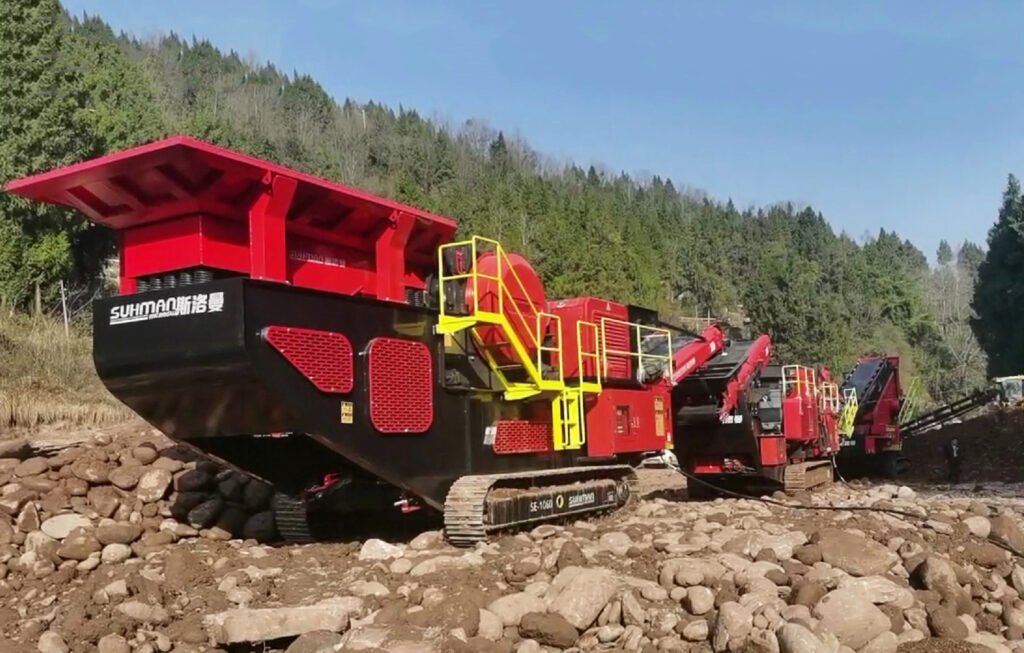
According to reports, from 2024 to 2026, most countries worldwide are still increasing the coverage of their infrastructure construction, indicating a continued blue ocean in the construction market. Large-scale construction requires more basic materials, with Rock quarry still providing a significant portion. This article will discuss the profitability and main costs of Rock quarry.
Types of Rock quarry
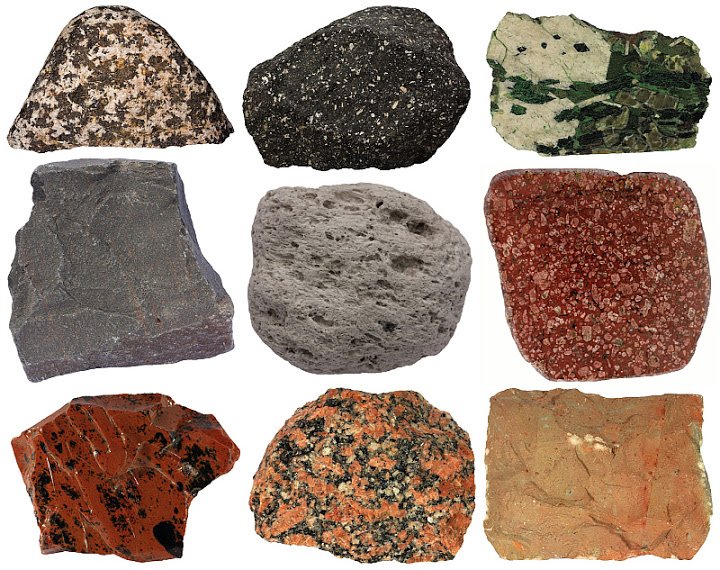
Rock quarry yield many different types of raw materials, such as common granite, gabbro, sandstone, limestone, and marble. These are extracted, cut, or crushed on-site, and then processed before being sent to different application scenarios.
Installation scale is also categorized into small, medium, and large Rock quarry. The setup costs and equipment will differ depending on the scale.
Before mining, a professional geological survey team is needed to conduct testing and assessment to confirm the type, reserves, and quality of the raw materials in the quarry. This determines the equipment used for subsequent raw material processing and the products that can be sold.
The Profitability of Rock quarry
The profitability of Rock quarry mainly comes from processing raw materials, dividing them into finished products of different sizes, and selling them to various construction companies.

Manufactured sand: Made from raw materials through crushing and screening, commonly used in building mortar, masonry, and concrete.
Crushed stone: Classified into four common types according to finished product specifications, used by different builders; this is a significant source of profit.
5-10mm: Used as an important raw material for road base courses, etc.
10-20mm: Used for concrete mixing, railway ballast, road paving, etc.
20-31.5mm: Used for mixing recycled concrete, large-volume foundation pouring, etc.
31.5-40mm: Used for road subbase, foundations of large structures, etc.
40-150mm: Used for railway track beds, embankments, etc.
-1024x438.png)
Main Costs of Quarrying
First, we need to understand the entire operation process of a quarry:
Professional geological survey and raw material analysis
Site selection assessment and site planning
Applying for legal mining permits
Mining process: Blasting, loading, transportation
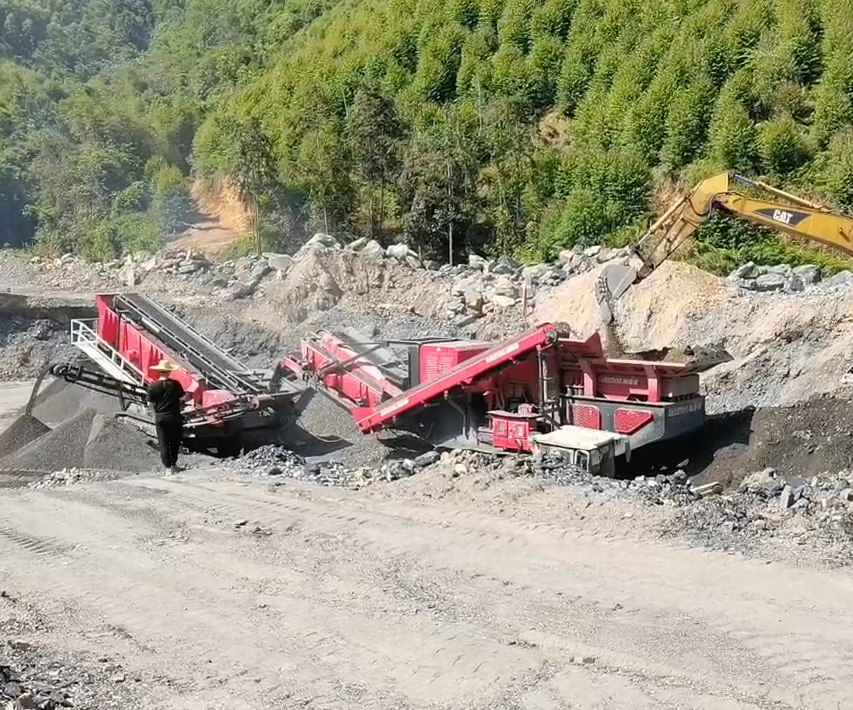
Post-mining processing: Coarse crushing, medium crushing, fine crushing, screening, sand making, washing (depending on the situation, not a necessary option)
After processing: Storage, transportation
General flow As explained above, the required costs are as follows:
Initial Stage: Explosives, detonators, etc.
Equipment Used in the Mining Process: Excavators, loaders, jaw crushers, impact crushers, cone crushers, screening machines, conveyor belts, dust control devices, etc.
Energy Consumption During Mining: Diesel fuel, electricity
Spatial Parts for Crusher: Crusher liners, screens, and other wear parts
Equipment Maintenance and Repair: Routine maintenance and repair of equipment is a long-term investment.
Personnel Costs: Operators, engineers
Summary
There are many types of Rock quarry, and many profitable aspects. However, before starting, it is essential to have a professional geological team analyze the raw material composition and quality, and understand the entire quarrying operation process, equipment, and personnel costs. Starting efficiently and scientifically will lead to greater profit potential.