Foreword
Coastal aggregate projects are notoriously profitable yet technically demanding. While the demand for high-quality aggregates in Southeast Asia and the Middle East surges, the operational challenges—high salinity corrosion, soft terrain, and stringent environmental regulations—render conventional stationary plants inefficient or even obsolete. This article analyzes how SUHMAN’s tracked mobile crushing solutions leverage structural engineering, material science, and intelligent control systems to deliver reliable performance in marine environments.

1. The Coastal Challenge: Beyond Conventional Crushing
Unlike inland quarries, coastal mining sites present a unique convergence of hostile factors:
- Atmospheric Corrosion: Chloride ions in sea breeze accelerate electrochemical corrosion, drastically shortening the lifespan of steel structures.
- Geotechnical Instability: Sandy beaches and reclaimed land lack the bearing capacity for heavy concrete foundations required by stationary lines.
- Logistical Constraints: Long-distance trucking from pit to plant incurs exorbitant costs and carbon footprints.
For project managers, the core question is not merely “Which crusher?” but “Which system ensures uptime and longevity under these conditions?”
2. Structural Integrity: Anti-Corrosion Engineering at the Molecular Level
Standard paint finishes blister and peel within months in saline air. SUHMAN addresses this through a multi-stage protection protocol:
- Surface Pretreatment: All critical steel components undergo high-pressure shot blasting (Sa 2.5 grade) to remove mill scale and rust, creating a rough surface profile that enhances coating adhesion.
- Epoxy-Zinc Rich Priming: Application of zinc-rich epoxy primers provides cathodic protection, sacrificing the zinc particles to protect the underlying steel substrate.
- High-Build Polyurethane Topcoat: A final layer of UV-resistant polyurethane seals the structure, offering chemical resistance against salt spray and moisture.
- Component-Level Sealing: Electrical cabinets and hydraulic manifolds are sealed to IP65 standards, preventing salt-laden dust from causing short circuits or valve blockages.
Technical Insight: Our 2-year warranty isn’t just a promise; it is an engineering validation of these corrosion-resistant designs surviving accelerated salt spray testing (ASTM B117 standards).
3. Mobility & Geotechnical Adaptability: Tracked Chassis Dynamics
Fixed plants require extensive civil engineering—piling and concrete foundations—which is cost-prohibitive and environmentally damaging in coastal zones.
SUHMAN’s Geotechnical Solution:
- Low Ground Pressure (LGP): The tracked undercarriage distributes the machine’s weight over a large surface area, achieving a ground pressure as low as 0.3–0.5 kg/cm². This prevents bogging down in loose sand or muddy intertidal zones.
- Self-Propelled Flexibility: With climbing capabilities exceeding 25°, the unit can navigate uneven reef formations to access ore bodies directly, eliminating the need for loader fleets to transport material to a central crusher.
- Rapid Deployment: Zero concrete foundation requirement enables setup in under 4 hours, allowing operators to capitalize on short tidal windows or shifting mining faces.
4. Hard Rock Processing: Maximizing Yield & Particle Shape
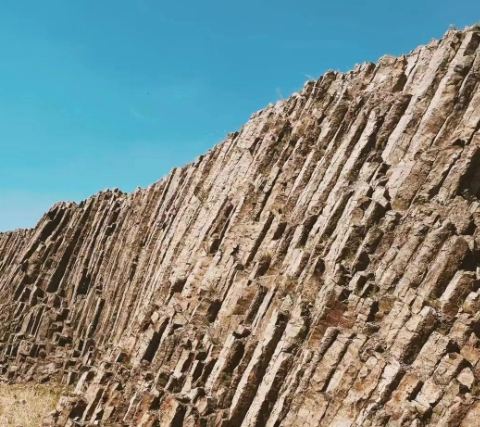
Coastal geology often features hard igneous rocks (Basalt, Granite). Crushing these efficiently requires more than brute force; it demands optimized kinematics.
Key Configurations:
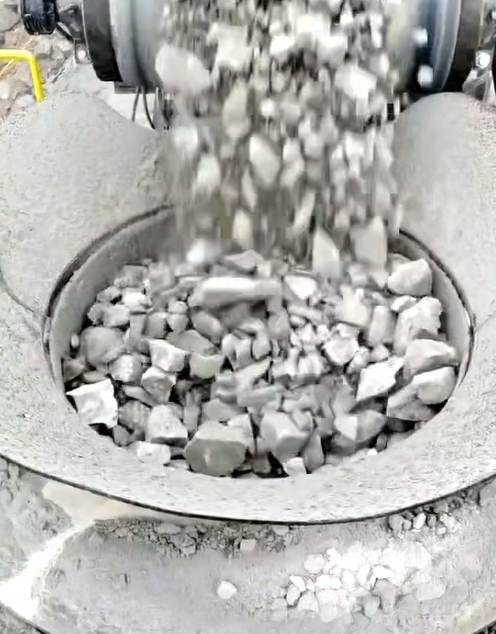
- Jaw & Cone Synergy: SUHMAN integrates deep-cavity jaw crushers (for primary reduction) with multi-cylinder hydraulic cone crushers (for secondary crushing). The cone’s laminating crushing principle generates inter-particle comminution, producing aggregates with a cubic shape (Flakiness Index < 10%) essential for high-grade concrete.
- Intelligent Feed Control: Equipped with PLC automation, the feeder adjusts frequency based on real-time load feedback from the crusher motor, preventing choking during hard rock surges and maximizing throughput (up to 400 TPH depending on model).
5. Environmental Compliance & Operational Footprint
Modern coastal projects operate under strict EIA (Environmental Impact Assessment) regulations.
- Dust Suppression: Optional negative pressure dust collection systems and water misting cannons suppress PM2.5 emissions at transfer points.
- Noise Attenuation: Enclosed engine compartments and vibration dampeners keep noise levels below 85 dB(A), complying with residential proximity limits often encountered near tourist coastlines.
- Compact Footprint: The integrated design occupies less than 50 m², preserving natural coastline and reducing site preparation costs.
6. Lifecycle Support: Mitigating Downtime Risks in Remote Locations
The true cost of a cheap machine reveals itself when spare parts take weeks to arrive on an island. SUHMAN’s service architecture is designed for global reach:
- Extended Warranty: A 2-Year Warranty (double the industry standard) covers major components, reflecting confidence in quality control.
- Global Logistics Network: Regional warehouses in Southeast Asia ensure critical spares (bearings, belts, wear liners) ship within 48 hours.
- Digital Diagnostics: 24/7 remote video support allows engineers to diagnose hydraulic or electrical faults via live stream, reducing mean time to repair (MTTR).
7. Economic Analysis: Total Cost of Ownership (TCO)
Let’s compare a SUHMAN Mobile Plant vs. a Stationary Plant in a hypothetical Indonesian coastal quarry (500,000 tons/year):
| Cost Factor | Stationary Plant | SUHMAN Mobile Solution | Advantage |
|---|---|---|---|
| Civil Works | $150,000+ (Concrete) | $0 | Save $150k |
| Material Transport | 5km x $1.5/ton = $750k | 0 km (On-site) | Save $750k/yr |
| Corrosion Maintenance | High (Annual Repainting) | Low (Pre-treated) | Reduce OPEX |
| Relocation Cost | Demolition & Rebuild | Self-Transit | Flexible Asset |
Conclusion: While the initial CAPEX of a mobile solution may be higher, the TCO over 5 years is significantly lower due to eliminated logistics and infrastructure overhead.
Conclusion: Engineering Confidence for Coastal Projects
Selecting a mobile crusher for a coastal quarry is not a purchase decision; it is a strategic investment in operational resilience. SUHMAN combines robust structural engineering, advanced material science, and lifecycle service guarantees to transform the challenges of marine mining into profitable opportunities.
Ready to evaluate your coastal project feasibility?
Contact SUHMAN’s application engineers today for a complimentary site assessment and customized equipment configuration plan.