Introduction
If you’ve ever driven past a large open pit where rocks are being extracted and processed, you’ve seen a rock quarry in action. But what exactly is a rock quarry, and how does it work?
Whether you’re a quarry owner looking to upgrade equipment, an investor considering entering the quarry business, a procurement manager searching for crushing solutions, or a mobile crusher operator wanting to understand the industry better—this comprehensive guide will give you everything you need to know.
At SUHMAN, we’ve spent years perfecting mobile and fixed crushing solutions for quarry applications. In this guide, we’ll share our expertise to help you make informed decisions.

What is a Rock Quarry?
A rock quarry (also called a stone quarry) is an open-pit mining operation where rock, sand, gravel, or other minerals are extracted from the earth’s surface. These materials are then crushed, screened, and processed into various sizes of aggregates used in construction, infrastructure, and industrial applications.
Simple Definition: A rock quarry is a place where stone is dug from the ground and processed into usable construction materials for roads, buildings, bridges, and infrastructure projects.
Quarry vs Mine: What’s the Difference?
While the terms are sometimes used interchangeably, there are key differences:
Quarry:
- Extracts surface materials (rock, sand, gravel)
- Open-pit operation
- Produces construction aggregates
- Generally shallower depth
- Equipment: crushers, screens, conveyors
Mine:
Equipment: drills, excavators, processing plants
Extracts deep minerals (coal, metals, gemstones)
Can be underground or open-pit
Produces refined minerals and metals
Can be very deep
Types of Rock Quarries


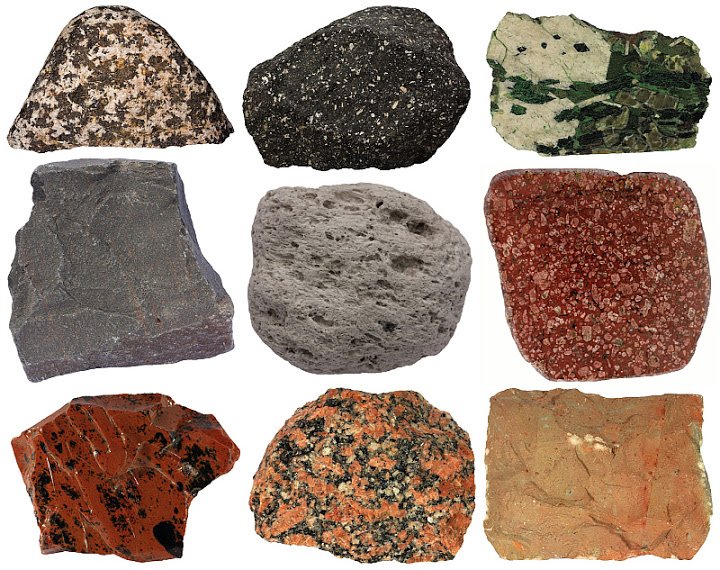
Quarries are classified based on the type of material they extract. Here are the most common types relevant to the aggregate industry:
1. Granite Quarry
Characteristics:
- Extracts granite, one of the hardest natural rocks
- High-quality, durable material
- Typically found in mountainous or hilly regions
- Requires robust granite crushing equipment
Common Uses:
- High-strength concrete for buildings and bridges
- Road base and asphalt aggregates
- Decorative stone for landscaping and monuments
- Kitchen countertops and architectural features
Equipment Needed: Granite’s hardness requires robust crushing equipment like jaw crushers and cone crushers.
SUHMAN Recommendation:
- SE-1060 Mobile Jaw Crusher: 200-250 tph, perfect for primary granite crushing
- SY-HP300 Mobile Cone Crusher: Secondary crushing for well-shaped aggregate
2. Limestone Quarry
Characteristics:
- Extracts limestone, a sedimentary rock
- Softer than granite, easier to process
- Widely available globally
- Lower crushing cost compared to hard rock
Common Uses:
- Cement production (primary ingredient)
- Agricultural lime for soil treatment
- Construction aggregates
- Steel manufacturing (as flux)
3. Basalt Quarry
Characteristics:
- Extracts basalt, a volcanic rock
- Extremely hard and dense
- Excellent wear resistance
- Higher crushing cost but premium product value
Common Uses:
- Railway ballast (stone beneath train tracks)
- High-quality concrete aggregates
- Road surface treatments
- Asphalt mixtures for high-traffic roads
4. Sand and Gravel Quarry
Characteristics:
- Extracts natural sand and gravel deposits
- Often located near rivers or ancient riverbeds
- Minimal crushing required (mainly screening)
- Lowest crushing cost of all quarry types
Common Uses:
- Concrete production
- Road construction
- Landscaping and drainage
- Fill material
How Does a Rock Quarry Work?
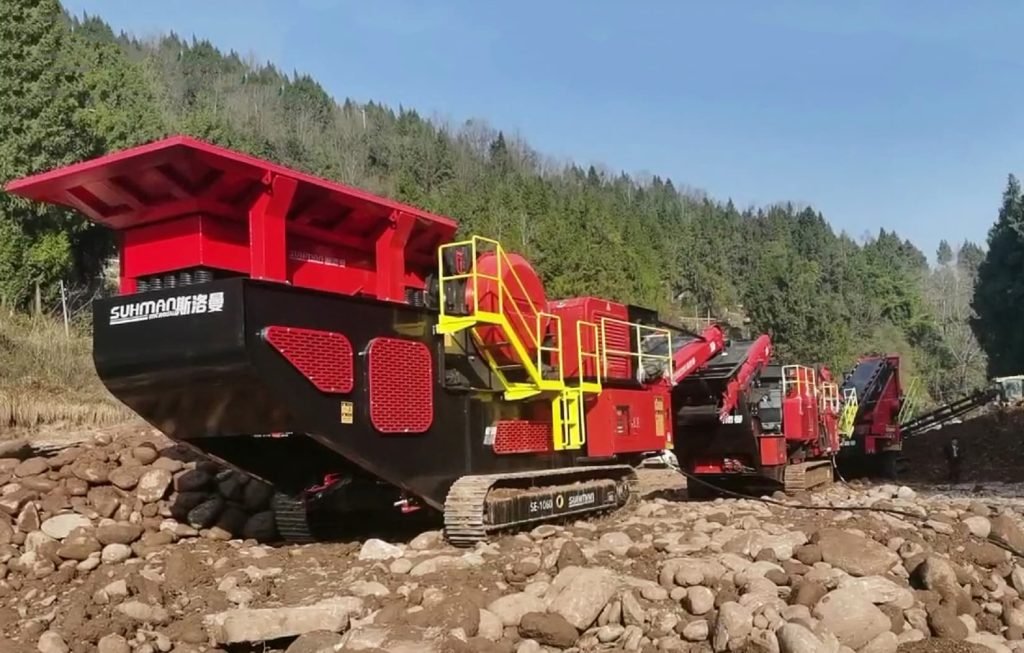
Understanding quarry operations is essential for quarry owners, investors, and equipment purchasers. Here’s the complete process:

Step 1: Exploration & Planning
- Geological surveys identify suitable deposits
- Reserve estimation and quality testing
- Permitting and environmental approvals
- Investment planning and ROI analysis
Step 2: Overburden Removal
- Remove soil and vegetation covering the rock
- Store topsoil for later land rehabilitation
- Expose the rock deposit for extraction
Step 3: Drilling & Blasting
- Drill holes into the rock face
- Insert explosives (for hard rock quarries)
- Controlled blast breaks rock into manageable pieces
- Safety protocols are critical
Step 4: Loading & Hauling
- Loaders and excavators load broken rock
- Dump trucks transport material to crusher plant
- Distance minimized to reduce fuel costs
Step 5: Primary Crushing
- Large rocks (up to 1 meter+) fed into primary crusher
- Jaw crusher reduces to 150-250mm
- First stage of size reduction
- Key equipment: SE-1060, SE-1160
Step 6: Secondary & Tertiary Crushing
- Material passes through cone or impact crushers
- Further reduced to desired sizes (20-50mm)
- Multiple stages for precise sizing
- Key equipment: SY-HP300, SF-380D
Step 7: Screening
- Vibrating screens separate material by size
- Different deck sizes produce various products
- Oversize material recirculated for further crushing
- Key equipment: SS-7018, SZ-450D
Step 8: Stockpiling & Loadout
- Finished products stored in separate stockpiles
- Front-end loaders load trucks for delivery
- Quality testing ensures specifications met
- Dispatch to customers (construction companies, government projects)
Essential Rock Quarry Equipment
For equipment procurement managers and quarry owners, selecting the right equipment is critical for profitability and efficiency.
Primary Crushing Equipment
Jaw Crushers Best For: Primary crushing of hard and abrasive materials
- High reduction ratio (up to 6:1)
- Simple maintenance
- Versatile for various materials
SUHMAN Products:
- SE-1060 Mobile Jaw Crusher: 200-250 tph, 700mm max feed
- SE-1160 Mobile Jaw Crusher Plus: 230-280 tph, heavy-duty applications
- SE-650D Mini Mobile Jaw Crusher: 50-130 tph, compact operations
Secondary Crushing Equipment
Cone Crushers Best For: Secondary and tertiary crushing of hard materials
- Excellent particle shape
- High reduction ratios
- Suitable for abrasive materials
SUHMAN Products:
- SY-HP200 Mobile Cone Crusher: Compact secondary crushing
- SY-HP300 Mobile Cone Crusher: Versatile performance
- SY-HP400 Mobile Cone Crusher Plus: High-capacity operations
Impact Crushers Best For: Secondary crushing of soft to medium-hard materials
- High reduction ratio
- Cubical product shape
- Lower operating costs for suitable materials
SUHMAN Products:
- SF-380D Mobile Impact Crusher: Versatile mobile solution
- SF-580D Mobile Impact Crusher Plus: High-capacity production
Screening Equipment
Proper screening is crucial for producing correctly sized aggregates.
SUHMAN Products:
- SS-7018 Mobile Inclined Screener: Multi-purpose screening
- SZ-450D Scalper Screener: Heavy-duty pre-screening
- SSP-6200 Horizontal Screens: High-efficiency screening
Mobile vs Fixed Crusher Plant
One of the biggest decisions for quarry investors and owners is choosing between mobile and fixed equipment.
Factor | Mobile Crusher Plant | Fixed Crusher Plant Initial Cost | Lower ($300K-$800K) | Higher ($1M-$5M+) Setup Time | Hours to 1 day | Weeks to months Flexibility | High (relocate easily) | Low (permanent installation) Capacity | Up to 500 tph | 1000+ tph Best For | Multiple sites, contract crushing | Large-scale, long-term operations Crushing Cost | Slightly higher per ton | Lower per ton at scale Permitting | Easier (temporary) | More complex (permanent)
SUHMAN Specialization: We focus on crawler-type mobile crushing plants that combine flexibility with high performance, perfect for modern quarry operations and contract crushing businesses.
Crushing Cost Analysis
Understanding crushing cost is essential for quarry owners and investors to ensure profitability.
Operating Costs (Example: 200 TPH Granite Quarry)
Cost Category | Hourly Cost | Cost Per Ton Equipment Depreciation | $75 | $0.375 Fuel/Energy Consumption | $40 | $0.20 Labor (3 operators) | $90 | $0.45 Wear Parts & Maintenance | $50 | $0.25 Total | $255/hour | $1.275/ton
Strategies to Reduce Crushing Cost
- Optimize Feed Size: Properly sized feed reduces wear and energy consumption
- Regular Maintenance: Preventive maintenance avoids costly breakdowns
- Quality Wear Parts: Invest in premium wear components for longer life
- Efficient Plant Design: Minimize material handling and re-handling
- Operator Training: Skilled operators maximize efficiency
- Right Equipment Selection: Match equipment to material and production requirements
SUHMAN Advantage: Our dual-core jaw crusher technology and Austrian-engineered components deliver 20-30% lower crushing cost compared to conventional designs.
Who Should Read This Guide?
This guide is designed for:
Quarry Owners
- Understand latest equipment technologies
- Optimize existing operations
- Reduce crushing costs
- Plan equipment upgrades
Investors
- Learn quarry business fundamentals
- Understand capital requirements
- Evaluate ROI potential
- Make informed investment decisions
Aggregate Industry Professionals
- Stay updated on industry trends
- Network with equipment suppliers
- Discover new technologies
- Improve operational efficiency
Equipment Procurement Managers
- Compare equipment options
- Understand technical specifications
- Evaluate suppliers
- Negotiate better deals
Mobile Crusher Operators
- Understand complete quarry process
- Learn best practices
- Improve safety awareness
- Career development
Industry Trends 2026
Key Trends Affecting Rock Quarries
- Sustainability & Environmental Compliance: Stricter emissions regulations, dust suppression requirements, land rehabilitation mandates
- Automation & Digitalization: Remote monitoring systems, predictive maintenance (IoT sensors), automated quality control
- Mobile & Modular Solutions: Growing preference for flexible operations, reduced permitting time, lower infrastructure investment
- Recycled Aggregates: Construction waste recycling, concrete demolition recycling, growing acceptance in specifications
- Consolidation & Scale: Industry consolidation continuing, economies of scale advantages

Conclusion
A rock quarry is much more than just a hole in the ground—it’s a sophisticated operation that provides essential materials for modern infrastructure. Whether you’re a quarry owner looking to optimize operations, an investor evaluating opportunities, a procurement manager sourcing equipment, or a mobile crusher operator advancing your career, understanding the complete picture is crucial for success.
Key takeaways:
- Different quarry types require different crusher plant configurations
- Granite crushing requires robust equipment (jaw + cone crushers)
- Crushing cost can be optimized through proper equipment selection and maintenance
- Mobile crushing plants offer flexibility for modern operations
- SUHMAN provides complete solutions for all quarry types and scales
Contact SUHMAN
Get Free Consultation: +86 13856971828
Email: ahsuhman@163.com
Website: www.ahsuhman.com
Factory: No. 43 Tangkou Road, Feixi Economic Development Zone, Hefei, Anhui, China