By SUHMAN R&D Center Engineering Team
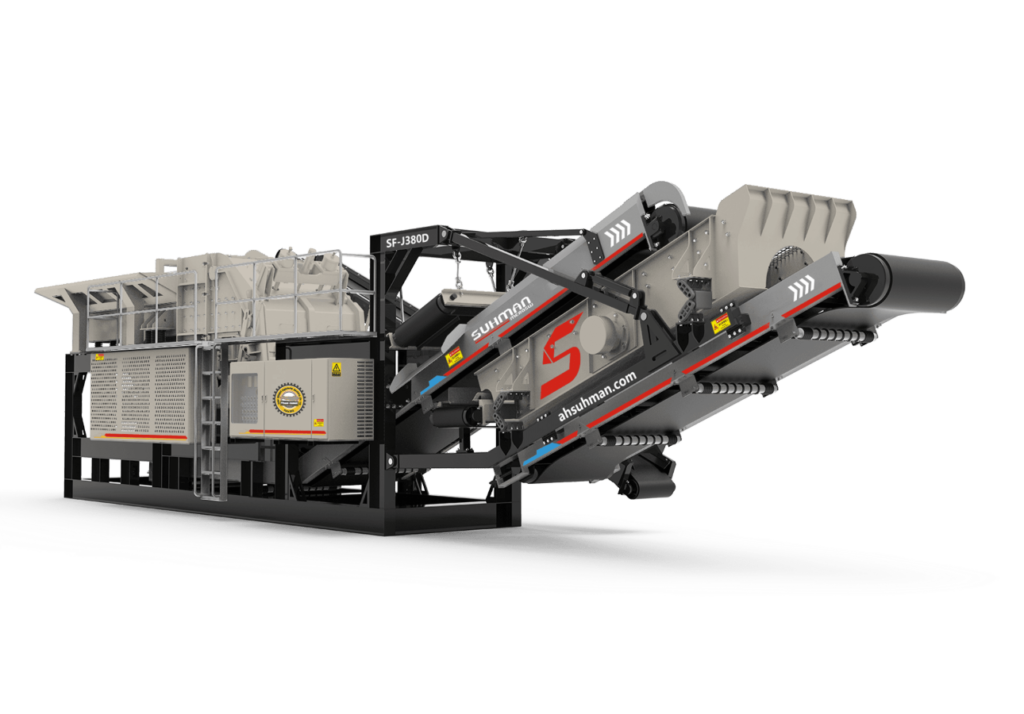
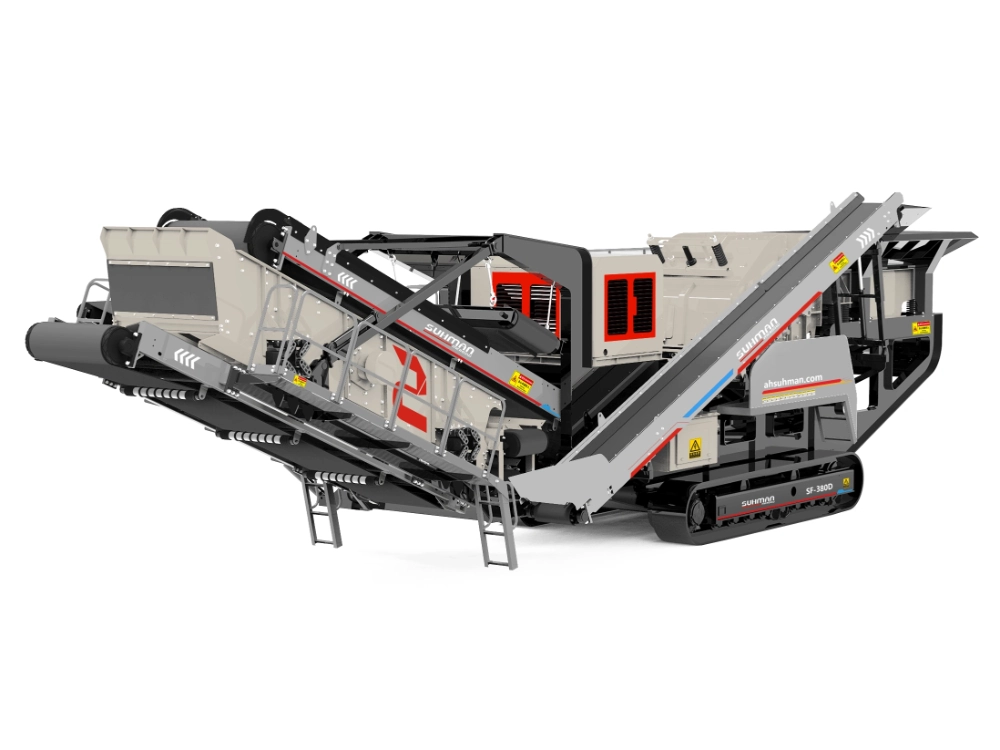
In the realm of tertiary crushing, the Impact Crusher (Impact Crusher) is unique. Unlike jaw or cone crushers that rely on compression, our SF-380D and SF-580D series operate on high-speed kinetic energy. The rotor spins at speeds exceeding 1000 RPM, hurling material against impact plates with tremendous force.
This high-speed operation introduces unique maintenance challenges: rotor imbalance, blow bar erosion, and structural fatigue from shock loads. A failure in an impact crusher is rarely sudden; it is usually the result of ignored vibration or improper gap settings.
This guide is not just a checklist; it is the preventive maintenance protocol used by SUHMAN factory engineers to maximize the lifecycle of your impact crushing plant, ensuring superior particle shape (cubicity) and minimizing downtime.
1. The Heart of the Impact Crusher: Rotor & Blow Bar Management
The rotor is the most critical component. If the rotor fails, the machine is dead. The blow bars are the “teeth” that do the work, but they also dictate the balance of the entire system.
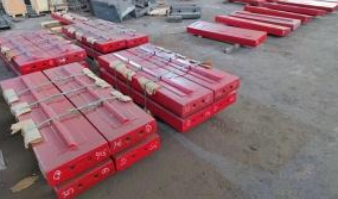
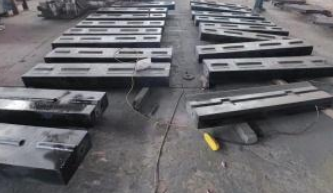
1.1 Blow Bar Wear Analysis & Rotation Strategy
Blow bars are subjected to extreme abrasion and impact.
- The “Three-Face” Rule: High-chrome blow bars often have multiple working faces.
- Protocol: When the leading edge wears down by 50%, rotate the blow bar to expose a fresh face. Do not wait until the bar is completely worn through, as this exposes the locking bolts to damage.
- Material Science: SUHMAN supplies blow bars made from high-chromium alloy. According to metallurgical studies on High-Chromium White Iron, these alloys offer superior abrasion resistance compared to standard manganese steel, extending service life by up to 2x in abrasive applications.
- Symmetrical Wear: Always replace or rotate blow bars in symmetrical pairs (opposite each other on the rotor).
- Critical: If you replace only one bar, the rotor becomes unbalanced. This causes violent vibration that can crack the rotor frame or destroy the bearings within hours.
1.2 Rotor Balancing (Dynamic Balance)
Even with perfect blow bar maintenance, the rotor can become unbalanced due to material buildup or wear.
- Vibration Threshold: If the vibration amplitude exceeds 0.1mm (or as specified in your manual), stop immediately.
- Cleaning: Check the rotor chamber for material buildup. Sticky material (like wet clay) can cake onto the rotor body, acting like an eccentric weight. Clean the rotor body regularly.
2. Impact Plate Adjustment: Controlling (Particle Shape)
The impact plates act as the “anvil.” Adjusting the gap between the blow bars and the impact plates determines the size and shape of your final product.
2.1 The Gap Adjustment Protocol
- Primary Impact Plate: Controls the coarse fraction. A larger gap allows larger material to pass but reduces the number of impacts.
- Secondary/Tertiary Impact Plates: Control the final size and cubicity.
- Protocol: Adjust the hydraulic gap to ensure the product passes the required sieve size.
- Quality Control: Proper gap adjustment ensures your aggregate meets ASTM C33/C33M Standard Specification for Concrete Aggregates regarding particle shape and grading. If the gap is too small, you create excessive fines (dust) and accelerate blow bar wear. If the gap is too large, you get “slabby” product (flat particles). SUHMAN crushers are designed to produce cubical aggregates ideal for high-specification concrete.
2.2 Spring Overload Protection
SUHMAN impact crushers feature a spring overload protection system.
- Check: Regularly inspect the tension springs or hydraulic accumulators behind the impact plates.
- Function: If uncrushable material (like a shovel tooth) enters, the impact plate must be able to retract and let the object pass.
- Maintenance: Ensure the springs return to their original tension after a pass-over event. If a spring is fatigued, the impact plate will remain loose, causing poor crushing performance.
3. Lubrication & Bearing Health: High-Speed Requirements
Impact crusher bearings run hotter and faster than jaw crusher bearings due to the high RPM of the rotor.
3.1 Grease Selection & Chemistry
- Spec: Use a high-quality Lithium Complex Grease (NLGI 2 or 3) with extreme pressure (EP) additives.
- Temperature: The grease must withstand temperatures up to 160°C without breaking down.
- Purge Cycle: Because impact crushers generate significant dust, purge the bearings every 8 hours (or every shift). Inject grease until fresh grease appears at the seal.
- Expert Tip: Refer to SKF’s Bearing Maintenance Guidelines for best practices on grease relubrication intervals to prevent over-lubrication, which can cause churning and heat buildup.
3.2 Bearing Temperature Monitoring
- Normal: 60°C – 75°C.
- Warning: 85°C. Check lubrication and belt tension.
- Critical: 95°C. Emergency Stop. The bearing is likely spalling or the cage is failing.
4. Construction Waste Recycling: Special Maintenance for SF-380D
The SF-380D is the king of construction waste recycling. However, rebar and iron present unique maintenance challenges.
4.1 Iron Remover (Magnetic Pulley) Maintenance
- Check: The magnetic pulley removes rebar from the crushed concrete.
- Protocol: Inspect the magnetic belt daily. If rebar wraps around the pulley, it can damage the belt or motor.
- Cleaning: Remove accumulated iron debris from the magnetic surface to maintain magnetic field strength.
- Belt Tension: Ensure the magnetic belt is properly tensioned. A loose belt will slip and fail to remove iron effectively.
4.2 Rebar Tangles in the Rotor
- Risk: Long rebar can wrap around the rotor shaft, causing imbalance and overheating.
- Protocol: If the machine stops due to a jam, inspect the rotor shaft immediately. Use a torch or hydraulic cutter to remove any tangled rebar before restarting.
- Safety First: Always adhere to OSHA Lockout/Tagout (LOTO) Standards before entering the crushing chamber or performing maintenance. Energy isolation is non-negotiable.
5. The “Golden Rules” of Impact Crusher Operation
Maintenance starts with proper operation.
- Rule 1: No-Load Start. Always start the impact crusher with an empty chamber. Starting under load can shear the drive shaft or burn the motor.
- Rule 2: Even Feeding. Use a vibrating feeder to ensure a consistent stream of material. “Starving” the crusher causes the material to bounce around violently, increasing vibration. “Choking” the crusher causes blockages.
- Rule 3: Feed Size Limit. Never feed material larger than the specified max feed size (e.g., 700mm for SF-580D). Oversized material can damage the blow bars and rotor instantly.
6. Troubleshooting: Factory Engineer’s Quick Guide
| Symptom | Root Cause | Solution |
| Excessive Vibration | Unbalanced rotor, worn blow bars, loose anchor bolts | Rotate/replace blow bars symmetrically, check rotor balance, tighten chassis bolts |
| Product Size Too Large | Impact plate gap too wide, blow bars worn | Reduce gap, rotate blow bars to fresh face |
| Blow Bars Wearing Too Fast | Feed size too large, material too abrasive, rotor speed too high | Control feed size, check material hardness, adjust rotor RPM |
| Bearing Overheating | Lack of grease, wrong grease type, belt too tight | Purge bearings, switch to Lithium Complex grease, adjust belt tension |
| Impact Plate Noise | Loose impact plate, broken spring, foreign object | Tighten impact plate, replace spring, check for uncrushable material |
7. The SUHMAN Advantage: Engineering for Reliability
We understand that maintenance in a quarry is tough. That is why SUHMAN designs for durability and ease of service.
- Hydraulic Blow Bar Locking: Our SF series uses a hydraulic system to lock blow bars, allowing for rapid rotation and replacement without heavy manual labor.
- Heavy-Duty Rotor: The rotor is designed with a large moment of inertia, ensuring stable crushing and longer bearing life.
- High-Chrome Blow Bars: We supply blow bars made from high-chromium alloy, offering 2x the wear life of standard manganese steel.
- Remote Monitoring: Optional IoT sensors monitor rotor vibration and bearing temperature in real-time, alerting you to issues before they cause downtime
8. FAQ: Factory Engineer Answers
Q: How often should I check the blow bars?
A: Inspect blow bars every 8 hours. Rotate them when the leading edge wears by 50%.
Q: Can I mix different types of blow bars on the same rotor?
A:No. Always use identical blow bars on the same rotor to maintain balance. Mixing worn and new bars causes vibration.
Q: Why is my product too dusty?
A: The impact plate gap may be too small, causing excessive re-crushing. Increase the gap slightly to reduce fines.
Q: How do I know if the rotor is unbalanced?
A: If you feel excessive vibration in the chassis or hear a rhythmic “thumping” noise, the rotor is likely unbalanced. Stop and check the blow bars immediately.
9. Conclusion: Precision Maintenance for Superior Aggregates
An impact crusher is a precision machine that turns rock into high-value aggregate. By following this factory-grade protocol—focusing on rotor balance, blow bar management, and impact plate adjustment—you ensure that your SUHMAN SF-380D or SF-580D delivers consistent cubicity and maximum throughput.
Need Genuine Spare Parts or Technical Support? Download our full maintenance manual or contact the SUHMAN technical team.
WhatsApp: +86 13856971828
Website: https://ahsuhman.com/