Buying a mobile crushing and screening plant in China sounds simple enough — there are hundreds of manufacturers, prices range widely for the same capacity, and every supplier claims “best quality, lowest price.” But here’s what most buyers learn the hard way: the purchase price is only 30% of the total cost. The other 70% comes from maintenance, downtime, fuel consumption, and replacement parts over the machine’s lifetime.
If you’re looking for a 180-200 TPH mobile crushing and screening solution for basalt processing in China, this guide will walk you through what actually determines the real cost — and why the cheapest option often ends up being the most expensive.

Why Basalt Is Different from Other Rocks
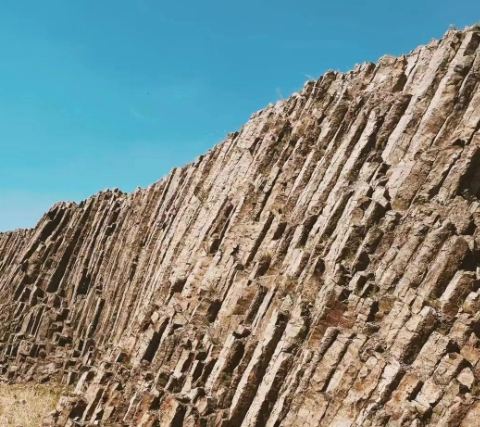
Basalt is one of the hardest and most abrasive rocks you’ll crush. With a compressive strength of 200-300 MPa and a Mohs hardness of 6-7, it’s significantly tougher than limestone (80-150 MPa) or dolomite (100-200 MPa). According to geological surveys, basalt’s density (2.7-3.0 g/cm³) and high silica content make it one of the most demanding materials for crushing operations worldwide. This matters because:
- Jaw plates wear 2-3x faster on basalt than on soft rock. Cheap manganese steel plates (14% manganese content) may last only 200 hours before needing replacement. Quality plates (18-20% manganese with proper heat treatment) can last 600+ hours.
- Cone crusher mantles and concaves on basalt typically last 3-4 months with good quality steel, but as little as 4-6 weeks with substandard casting.
- Screen mesh on basalt applications wears through faster, and poor-quality screen decks may need replacement every 2-3 months instead of 8-12 months.
A 180-200 TPH basalt crushing circuit isn’t a single machine — it’s a system. The standard configuration is:
- Primary crushing: Mobile jaw crusher (200-250 TPH)
- Secondary crushing: Mobile cone crusher (200-300 TPH)
- Screening: Mobile inclined screener (250-300 TPH)
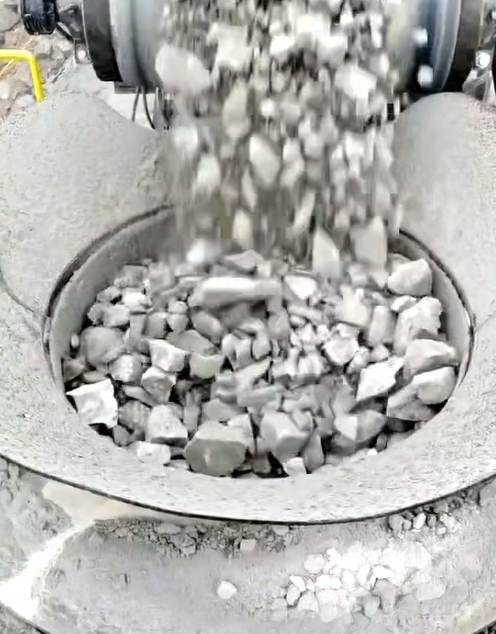
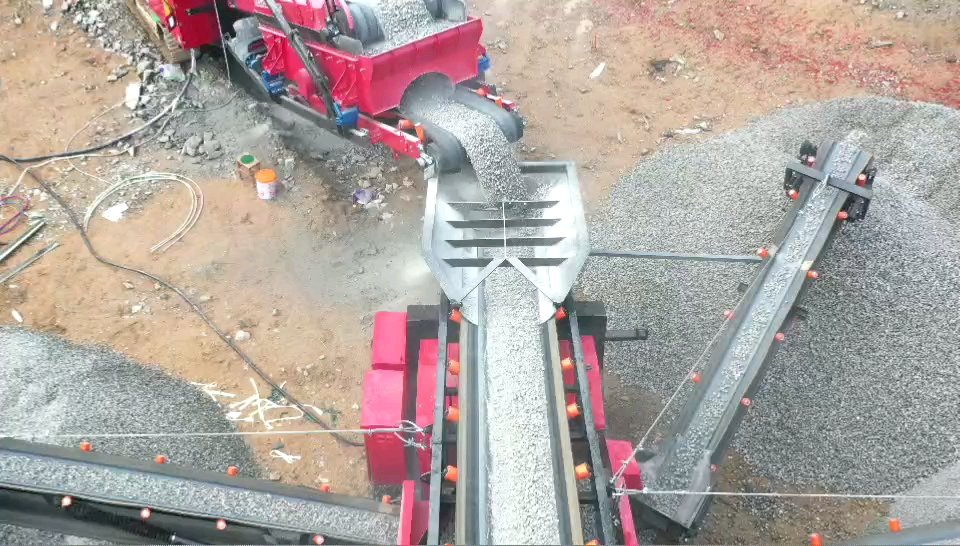
This jaw + cone + screen combination is the industry standard for hard rock because each machine does what it does best. The jaw crusher handles large feed sizes, the cone crusher produces well-shaped aggregates, and the screener separates multiple size fractions. For more on configuring a complete mobile crushing circuit, see this guide on aggregate production equipment.
The Real Cost Breakdown: What You’re Actually Paying For
Let’s look at what goes into a 180-200 TPH mobile basalt crushing circuit from a Chinese manufacturer. Understanding the component-level differences helps you spot when a price is too good to be true.
Component 1: The Jaw Crusher (Primary)
The jaw crusher is the heart of your circuit. For basalt at 180-200 TPH, you need a machine with:
- Crushing chamber: at least 1060×750mm
- Maximum feed size: 700mm
- Motor power: 110kW
- Eccentric shaft: forged alloy steel, not cast iron
- Jaw plates: 18%+ manganese steel with proper heat treatment
What affects the price:
- The jaw crusher is the most expensive single component in your circuit. Prices vary dramatically based on the quality of internal components.
- Cheap versions use cast iron eccentric shafts (crack under basalt’s load), 14% manganese plates (wear in weeks), and generic bearings (fail under continuous operation)
- Quality versions use forged 42CrMo alloy steel shafts, 18-20% manganese plates with heat treatment, and SKF/FAG bearings
For a machine that meets these specifications, see the SE-1060 Track-Mounted Mobile Jaw Crusher, designed specifically for primary crushing of hard rock including basalt, granite, and iron ore.
Component 2: The Cone Crusher (Secondary)
For basalt, a cone crusher is not optional — it’s essential. Impact crushers produce too many needle-shaped fragments and wear out quickly on hard rock.
A proper cone crusher for this application needs:
- Multi-cylinder hydraulic design (not single-cylinder)
- Crushing power: 250kW minimum
- Hydraulic adjustment and overload protection
- Mantle and concave: 20%+ manganese with optimized chamber profile
What affects the price:
- A multi-cylinder hydraulic cone crusher is a significant investment. The hydraulic system alone (cylinders, pumps, valves) can vary 2-3x in price depending on whether it uses branded or generic components.
- Cheap versions use single-cylinder designs with no overload protection — if uncrushable material enters, it damages the entire crushing chamber
The SY-HP300 Track-Mounted Mobile Cone Crusher uses a multi-cylinder hydraulic design with automatic overload protection, making it ideal for secondary basalt crushing at 200-300 TPH.
Component 3: The Screening Plant
The screener determines your final product quality. For a 180-200 TPH circuit producing multiple aggregate sizes, your output must meet ASTM C33 standards for concrete aggregate or equivalent local specifications.
- 3-deck inclined screen (7000×1800mm minimum)
- Vibration motors or eccentric block exciter
- Integrated conveyors for multiple size fractions
- Screen mesh: wear-resistant steel or polyurethane
What affects the price:
- Quality mobile inclined screeners use proper screen deck sizes, heavy-duty vibration motors, and thick conveyor belts. Cheap versions cut corners on all three.
The SS-7018 Mobile Inclined Screener features a 3-deck screen (7000×1800mm) capable of producing up to 4 different aggregate sizes simultaneously — ideal for meeting strict aggregate specifications.
Component 4: The Track Chassis and Power System
This is where many budget manufacturers cut corners. A proper track chassis needs:
- Crawler tracks with adequate ground pressure distribution
- Hydraulic drive system with reliable motors and pumps
- Diesel engine meeting local emission standards (or dual-power diesel-electric)
- Generator sized for the total power demand
What affects the price:
- Cheap versions use recycled crawler components from used excavators, undersized engines, and generic hydraulic pumps that leak within months
Component 5: Electrical and Control System
- PLC control panel with real-time monitoring
- Emergency stop systems
- Cable management and waterproof connectors
- Remote diagnostic capability
What affects the price:
- Cheap versions use basic relay controls with no monitoring, exposed wiring, and no fault protection
The “Cheap Machine” Math: Why Low Price Is Expensive
Let’s run the numbers on a realistic scenario. You buy a 180-200 TPH mobile basalt crushing circuit from a manufacturer that offers the lowest price. The same circuit from a quality manufacturer costs more. That’s significant savings upfront — or so it seems.
Month 1-3: The Honeymoon Phase
Everything works fine. You’re crushing basalt, producing aggregate, and feeling good about the savings.
Month 4: First Major Issue
The eccentric shaft on the jaw crusher develops a crack. Not a complete failure yet, but vibration increases and output drops from 200 TPH to 150 TPH.
Cost: Replacement shaft + labor to install it. Downtime: 5 days.
Month 6: Cascade Failure
The cracked eccentric shaft has been vibrating excessively for two months. Now the main bearing (a generic brand, not SKF) has failed. The jaw crusher is completely down.
Cost: Bearings + labor. Downtime: 7 days (waiting for parts to ship from China).
Month 8: Cone Crusher Mantle Failure
The cone crusher mantles (cheap casting, 14% manganese) have worn through. Production stops while you wait for replacements.
Cost: Mantles and concaves + labor. Downtime: 10 days.
Month 10: Hydraulic System Leak
The hydraulic pump on the cone crusher starts leaking. The system can’t maintain pressure, so the discharge setting drifts, and your aggregate size becomes inconsistent.
Cost: New hydraulic pump + valves. Downtime: 5 days.
Month 12: Track Chassis Problem
The crawler track motor fails. The machine can’t move between sites. You need a low-bed trailer for transport — adding significant cost per move.
Cost: Track motor replacement. Downtime: 14 days.
The Year-End Totals
The Year-End Totals
| Item | Cheap Machine | Quality Machine |
| Purchase price | Low | Moderate |
| Replacement parts | High | Minimal |
| Labor for repairs | High | Minimal |
| Downtime (lost production) | Severe | Negligible |
| Total first-year cost | Surprisingly similar | Predictable |
The cheap machine cost almost the same as the quality machine in year one — and that’s before we count the intangible costs:
- Lost customers because you couldn’t deliver aggregate on schedule
- Contract penalties for delayed project completion
- Team morale — operators and maintenance staff frustrated by constant breakdowns
- Reputation damage — word spreads in your market that your equipment is unreliable
In year two, the gap widens. The quality machine keeps running. The cheap machine has accumulated wear in every subsystem, and failures become more frequent.
How to Spot a Quality Manufacturer in China
You don’t need to be an engineer to evaluate a manufacturer. Here are the questions that separate quality suppliers from the rest:
1. What brand of bearings do you use?
Quality answer: SKF, FAG, or equivalent premium brand. Red flag: “Domestic brand” or vague answers. Bearings are the single most critical component in any rotating machine. Cheap bearings fail under continuous basalt crushing.
2. What is the manganese content of your jaw plates and cone mantles?
Quality answer: 18-20% manganese with heat treatment specification. Red flag: 12-14% manganese, no heat treatment details. The difference in wear life is 2-3x.
3. Is the eccentric shaft forged or cast?
Quality answer: Forged 42CrMo alloy steel. Red flag: Cast iron or cast steel. Cast shafts develop cracks under the high stress of hard rock crushing.
4. What warranty do you offer?
Quality answer: 12 months on all major components, with clear terms. Red flag: 6 months, or vague “we’ll fix it” promises. A manufacturer confident in their quality offers a full year.
5. Can you provide references from customers using your machines on basalt?
Quality answer: Specific customer names, locations, and machine models with operating hours. Red flag: “We have many customers” without details. Basalt is a specific application — you want references from basalt crushing operations, not limestone.
6. What is your delivery time?
Quality answer: 25-35 days for a complete mobile crushing circuit. Red flag: 7-10 days. A properly assembled and tested mobile crushing plant takes time. Rushed assembly means quality is compromised.
For more information on evaluating mobile crushing equipment, see this comprehensive guide to mobile crusher selection.
Recommended Configuration: Jaw + Cone + Screen for Basalt
For a 180-200 TPH basalt crushing and screening operation, the proven configuration is:
Primary: SE-1060 Track-Mounted Mobile Jaw Crusher
- Capacity: 200-250 TPH
- Maximum feed size: 700mm
- Jaw chamber: 1060×750mm
- Crusher power: 110kW
- Total weight: 46t
The SE-1060 is designed specifically for primary crushing of hard rock. Its forged eccentric shaft, 18% manganese jaw plates, and SKF bearings ensure reliable operation even under the demanding conditions of basalt crushing. The dual-power version (diesel-electric) allows operation in sites without stable grid power.
Learn more about the SE-1060 Mobile Jaw Crusher →
Secondary: SY-HP300 Track-Mounted Mobile Cone Crusher
- Capacity: 200-300 TPH
- Maximum feed size: 210mm
- Multi-cylinder hydraulic design
- Crusher power: 250kW
- Total weight: 50t
The SY-HP300 uses a multi-cylinder hydraulic cone crusher with automatic overload protection. If uncrushable material enters the chamber, the hydraulic system releases pressure instantly, preventing damage. The hydraulic adjustment allows precise control of the discharge size without stopping the machine.
Learn more about the SY-HP300 Mobile Cone Crusher →
Screening: SS-7018 Mobile Inclined Screener
- Capacity: 250-300 TPH
- 3-deck inclined screen (7000×1800mm)
- Produces up to 4 different aggregate sizes
- Total weight: 32.5t
The SS-7018 separates crushed material into multiple size fractions simultaneously. Its inclined design provides fast material transport with high screening accuracy. Integrated conveyors deliver sorted material directly to separate stockpiles.
Learn more about the SS-7018 Mobile Inclined Screener →
Why This Combination Works
- Capacity matching: Each machine is sized for the circuit. The jaw crusher (200-250 TPH) feeds the cone crusher (200-300 TPH), which feeds the screener (250-300 TPH). No bottleneck.
- Application matching: Jaw crusher handles large basalt boulders, cone crusher produces cubical aggregates, screener delivers precise size separation.
- Mobility: All three units are track-mounted, self-propelled, and can be deployed without external traction.
Browse the complete SUHMAN product lineup for all mobile crushing and screening equipment.
What You Should Actually Budget
For a 180-200 TPH mobile basalt crushing and screening circuit (jaw + cone + screen) from a quality Chinese manufacturer, the total investment depends on your specific requirements — material characteristics, desired aggregate sizes, power availability, and optional features like dual-power systems.
Instead of guessing from online prices, the smartest approach is to get a detailed quote from a manufacturer who understands your application. A proper quote should include:
- Complete machines with track chassis
- Diesel engines meeting your local emission standards
- Electrical and control systems
- A full set of wear parts for the first year
- On-site installation and commissioning by qualified engineers
- 12-month warranty on all major components
- Clear terms for spare parts supply and after-sales support
Shipping, import duties, and local taxes are additional and vary by destination country — a reputable manufacturer will help you calculate these before you commit.
For a free consultation and detailed quote on the SE-1060 + SY-HP300 + SS-7018 basalt crushing circuit, contact the SUHMAN sales team. Their technical sales engineers will design the optimal solution based on your material, capacity requirements, and budget — no obligation, just expert advice.
Website: https://ahsuhman.com
The Bottom Line
Buying a mobile crushing and screening plant in China is a smart decision — Chinese manufacturers offer excellent value for money compared to European brands. But “value” is the key word, not “cheap.”
The manufacturers offering prices well below market aren’t cutting costs through efficiency. They’re cutting corners on components that matter most: bearings, shafts, plates, hydraulics, and electrical systems. These savings show up on the purchase invoice but show up as downtime, repair costs, and lost revenue in your operation.
Here’s what to remember:
- The purchase price is 30% of total cost. Budget for the full lifecycle, not just the invoice.
- Basalt is unforgiving. Cheap components fail fast on hard rock. There’s no workaround.
- Warranty matters. A 12-month warranty from a manufacturer confident in their quality is worth more than a 6-month warranty from someone who knows their machines will break.
- References tell the truth. Ask for basalt-specific references and call them.
- Talk to experts before you buy. Get a detailed quote from a manufacturer who understands your application — ask the hard questions, get specifications in writing, and compare apples to apples.
If you’re evaluating mobile crushing equipment for basalt processing, start by talking to a manufacturer who will give you honest advice — not just a price list. Contact SUHMAN for a free consultation, and you’ll understand the difference between a machine that runs and a machine that costs you money.
Anhui SUHMAN Engineering Machinery manufactures track-mounted mobile crushing and screening equipment built to military-grade quality standards. All SUHMAN machines come with a 12-month warranty on major components and a full set of wear parts. For a detailed quote on the SE-1060 + SY-HP300 + SS-7018 basalt crushing circuit, contact the SUHMAN sales team for a free consultation.