Author: Xandra, Crusher Engineer at SUHMAN
Preface
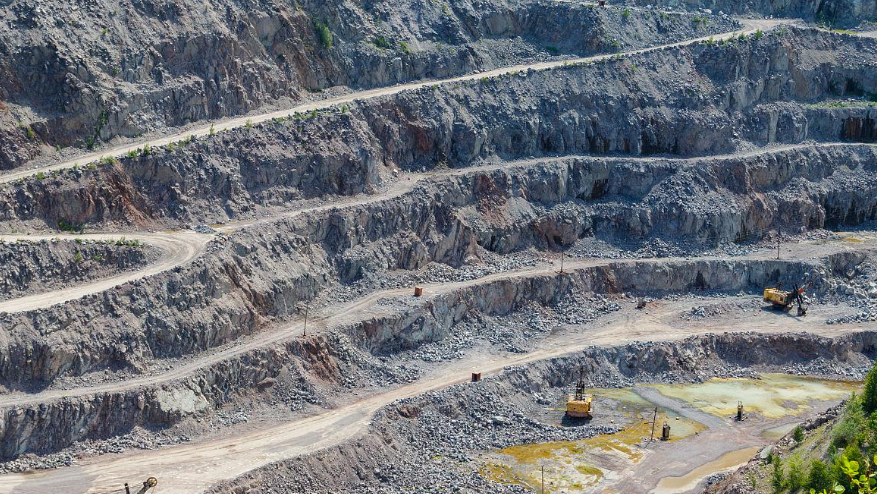
Granite is one of the most commonly used stone raw materials in the construction industry. It is frequently used for high-end interior and exterior flooring, walls, and other decorative finishes, as well as structural support materials in engineering projects such as roads and bridges. Granite’s compressive strength is typically below 300 MPa, classifying it as a hard rock based on its Mohs hardness. Therefore, the process of mining and crushing granite requires specialized crushers. Choosing an unsuitable crusher will lead to low productivity and accelerated wear on vulnerable parts, increasing costs. To effectively avoid these problems, this article will guide you on how to effectively select a crusher to maximize the return on your granite crushing equipment investment.
Effective Finished Granite Sizes
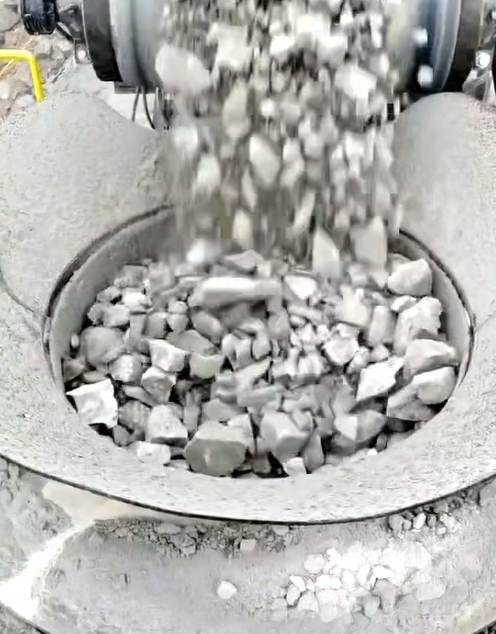
The typical effective finished granite size is 0-40mm, which can be further subdivided into particle size ranges such as 0-5mm, 5-10mm, 10-20mm, 16-31.5mm, 15-20mm, and 20-40mm.
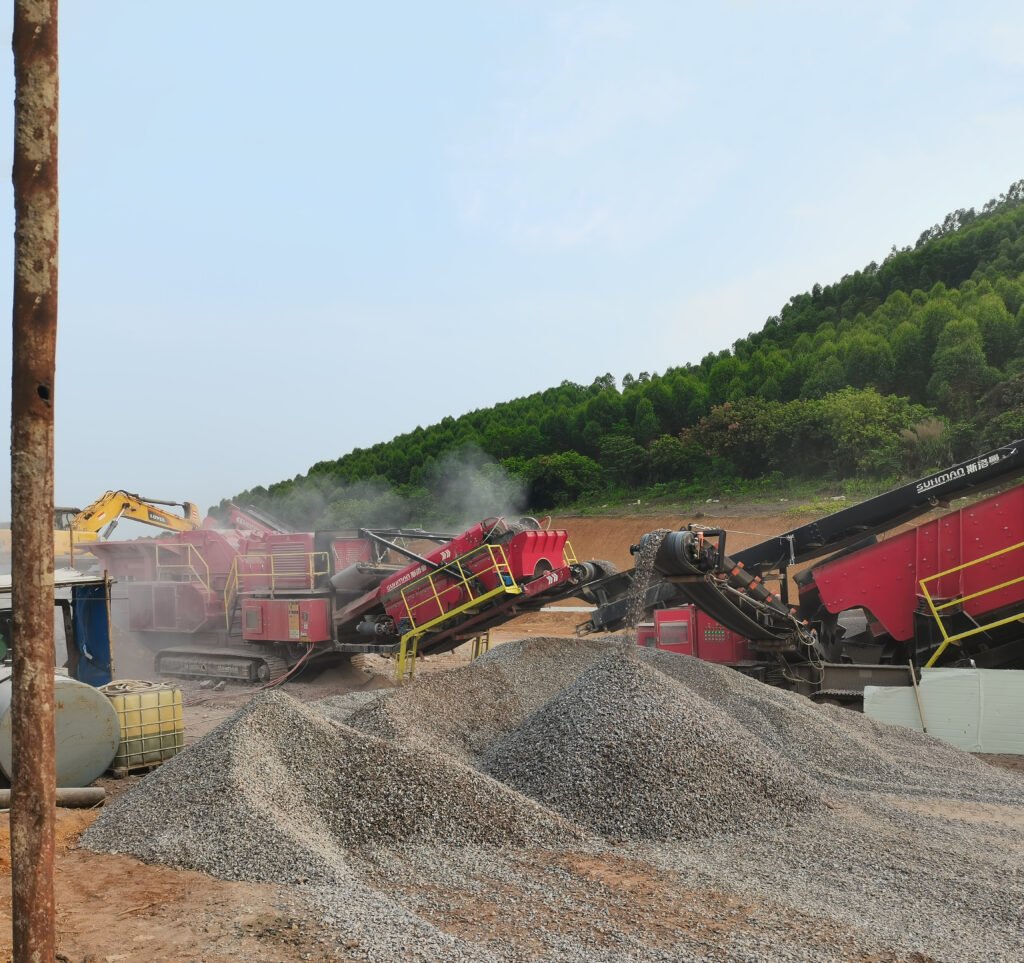
These ranges encompass coarse, medium, and fine crushing, requiring different types of crushers. We will analyze these devices in detail below.
-1024x438.png)
Three Common Types of Crusher Suitable for Crushing Granite
Jaw Crusher
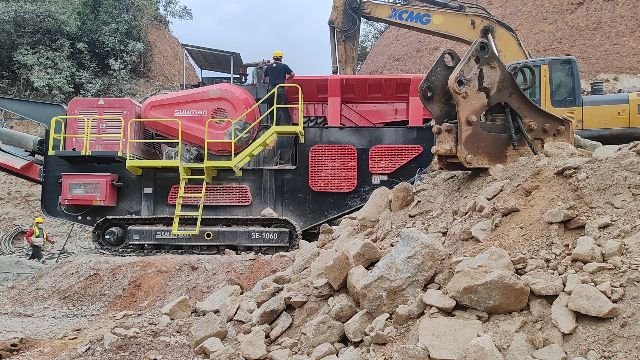
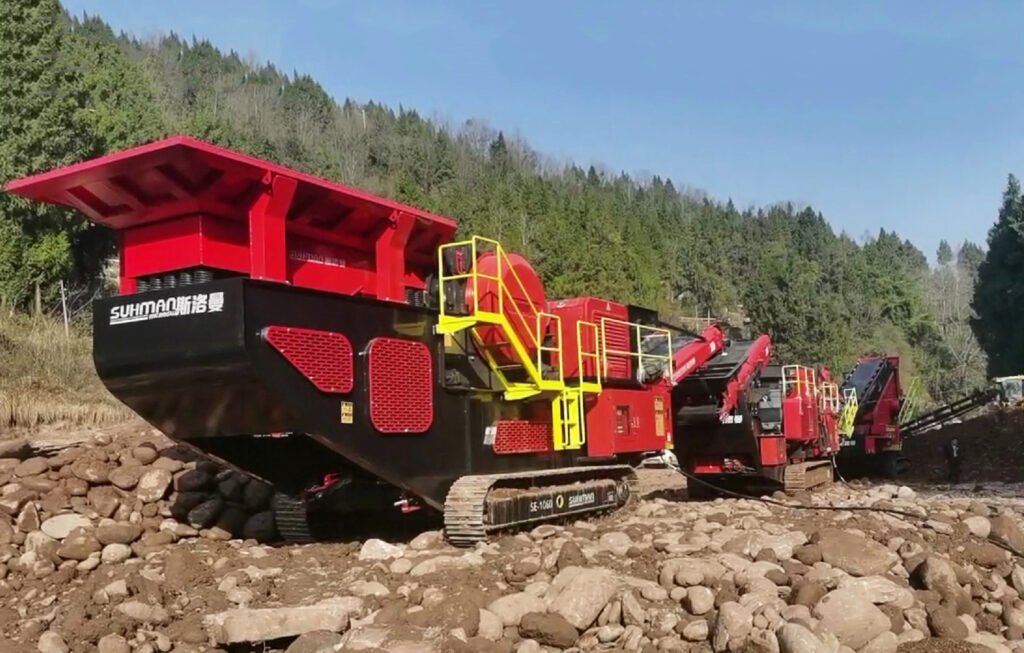
Jaw crushers use a reciprocating compression crushing method. During operation, a moving jaw and a fixed jaw squeeze, rub, and crush the material. This results in a large crushing ratio and high capacity. Mobile jaw crushers can reach a maximum capacity of 250 TPH, while stationary jaw crushers can reach 800-1000 TPH. The finished product particle size after jaw crushing is coarse and cannot be directly applied to various fields. Therefore, it needs to be used in conjunction with other crushers and screening machines.
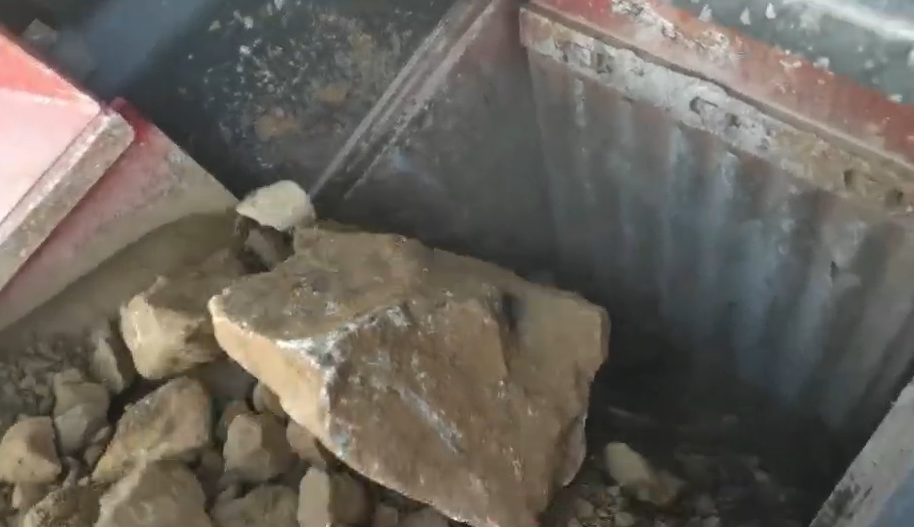
Common jaw crushers can crush raw materials with a compressive strength not exceeding 320 MPa. Since granite has a compressive strength below 300 MPa, using a jaw crusher for primary crushing is a wise choice. However, it’s important to note that many manufacturers’ jaw crushers have a maximum feed size of 1000mm. Materials exceeding this size cannot be directly fed into the crusher’s chamber; they must first be blasted or crushed to a size below this range by other hydraulic crushing equipment before being fed into the jaw crusher.
Cone Crusher
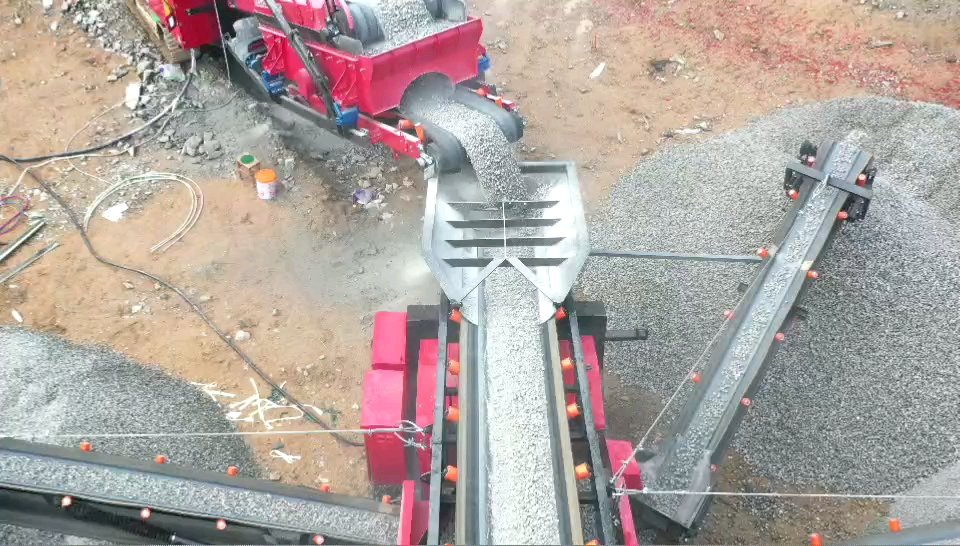
The cone crusher works by having an electric motor drive an eccentric sleeve to rotate via a transmission device. The material is crushed through repeated compression and impact between the moving and stationary cones. The finished product size produced by a cone crusher is a mixture of medium and fine crushing, which can be directly applied to some applications. However, it generally needs to be further subdivided into 3-4 different application scenarios. Only by achieving this subdivided finished product size can the benefits of granite crushing be maximized. The crushing chamber structure of a cone crusher requires that the size of the raw material entering the crusher cannot exceed 200mm. Therefore, cone crushers are generally used for medium/fine crushing, jaw crushers for coarse crushing, and screening machines are used after the cone crusher for screening. The complete crushing and screening process is: Raw material – Jaw crusher (coarse crushing) > Cone crusher (medium and fine crushing) > Screening machine (subdivision).

Vertical Shaft Impact Crusher
The vertical shaft impact crusher works by having the raw material collide with each other on a high-speed rotating disc within the crushing chamber to achieve the purpose of crushing. Vertical shaft impact crushers have a shaping function, making them a suitable choice for applications with strict requirements on finished product particle size. These machines are typically used after cone crushers for fine crushing and shaping, or after jaw crushers, and are generally used for finely crushed raw materials.

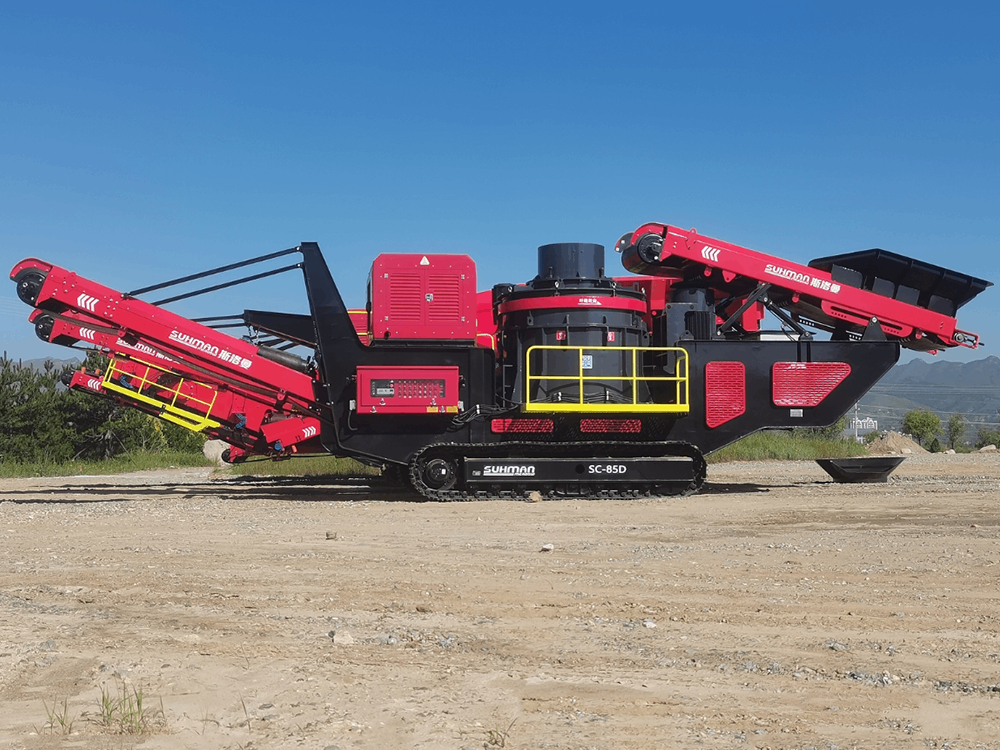
Crusher Unsuitable for Crushing Granite
Impact crushers are common crushing equipment widely used in the crushing and screening industry. They can shape crushed materials to meet the requirements of many infrastructure construction scenarios. However, impact crushers are generally only suitable for raw materials with a compressive strength not exceeding 150 MPa. As mentioned earlier, the compressive strength of granite is below 300 MPa, which far exceeds the crushing range of impact crushers. Forcing the use of an impact crusher will increase the replacement cycle of the crusher’s wear parts, significantly increasing the operating cost.
In summary,
jaw crushers are suitable for primary/first-stage crushing of granite, cone crushers for second-stage crushing, vertical shaft impact crushers for second/third-stage crushing and shaping, and impact crushers are not suitable for granite crushing.
Depending on the range of finished particle size, other factors, such as price and transportation, will influence the selection of a granite crusher. If you have any questions about granite crusher selection, you can directly consult different crusher manufacturers. Through comparison and verification, you can quickly obtain the most suitable granite crushing and screening equipment for your current project scenario.