They aren’t “either/or” — they are the “Golden Duo.” Choosing the wrong crushing stage or ignoring wear parts costs can add $20,000+ per year to your expenses. Here’s how to pair them for maximum savings with military-grade mobile crushing solutions.
Foreword
In the era of fixed plants, engineers selected equipment based on parameters. But in the mobile crushing era, the decision-making logic has changed: relocation costs, wear parts life, and cost per ton are the core factors.
This guide gives you:
- 5 core differences between jaw and cone crushers (focusing only on what impacts profit)
- Real wear parts life and cost-per-ton comparison (with material recommendations)
- Mobile vs. fixed: how selection logic has completely changed
- 4 project scenario configuration matrices (including screening, ready for use)
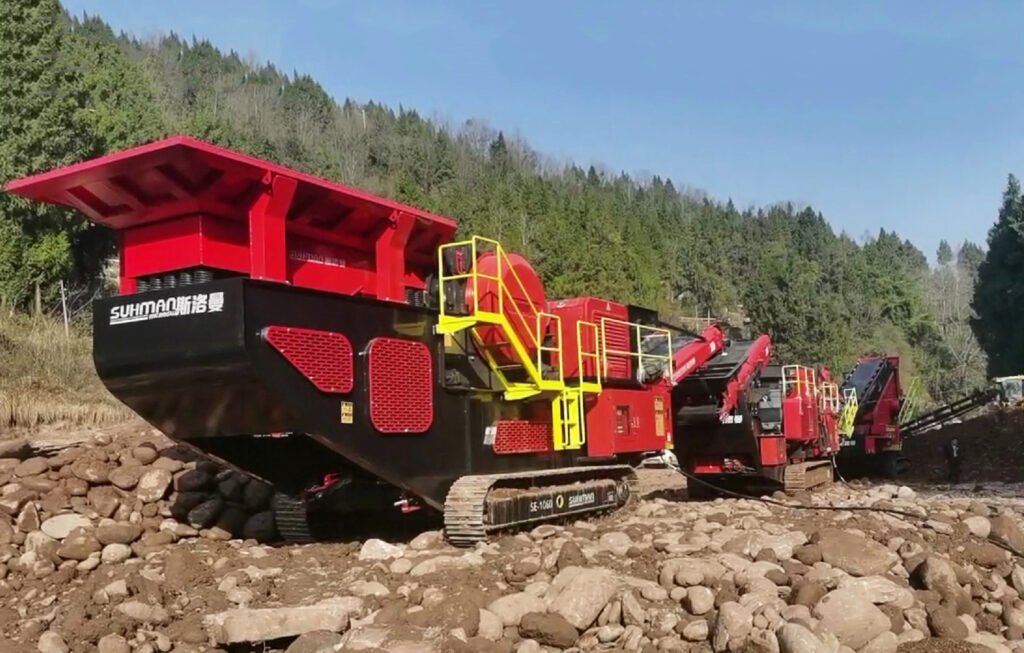
- SUHMAN mobile jaw + cone + screen combined operation solutions
Jaw Crusher vs Cone Crusher: Core Roles in 60 Seconds
| Dimension | Jaw Crusher | Cone Crusher |
| Crushing Stage | Primary | Secondary / Tertiary |
| Feed Size | Large (≤700 mm) | Medium (≤210 mm) |
| Discharge Size | 0-250 mm (coarse) | 0-50 mm (fine / shaping) |
| Crushing Principle | Compression (moving & fixed jaw) | Lamination (mantle & concave) |
| Product Shape | More needle/flake (needs shaping) | High cubic content (<10% needle/flake) |
| Best For | All hardness (soft to hard rock) | Medium-hard to hard rock (granite, basalt, river stone) |
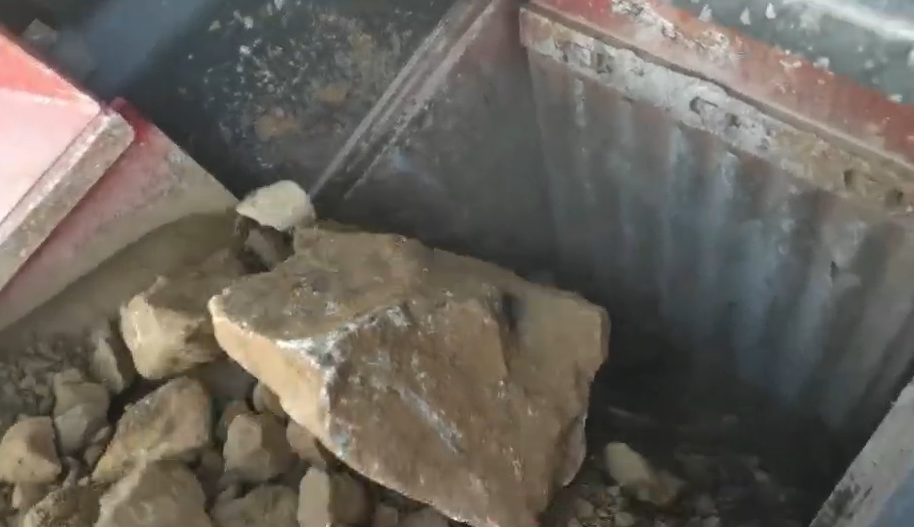

Core Conclusion: The jaw crusher is responsible for “making big rocks small,” and the cone crusher is responsible for “making small rocks uniform.” Hard rock crushing requires a jaw + cone combination. Using only one machine will either drastically reduce wear parts life or result in unacceptable product shape.
5 Key Differences: Focusing Only on What Impacts Your Profit
| Difference | Jaw Crusher | Cone Crusher | Impact on Profit |
| Wear Parts Life | Jaw plates: 400-1,000 hrs | Mantle & Concave: 500-1,200 hrs | Cone’s lamination crushing reduces metal contact, extending life by 30-50%. |
| Cost Per Ton | $1.50-$2.50 | $1.80-$2.80 | Jaw has lower initial cost, but output requires secondary crushing, making total cost per ton similar. |
| Relocation/Install Cost | Low (simple structure) | Medium (1.7-2x heavier) | Mobile tracked units offset installation differences; SUHMAN tracked self-propulsion means $0 relocation cost. |
| Product Shape | 15-25% needle/flake | <10% needle/flake | High-grade highways and ready-mix concrete require <10%; cone crusher is irreplaceable. |
| Downtime Risk | Medium (broken jaw plates can fall | Low (hydraulic overload protection) | Cone crushers have higher automation and are more stable for 24-hour operation. |
Hidden Costs: Wear Parts Life & Material Selection (Deep Comparison)
As mentioned in our previous guide, the Crusher Wear Parts Replacement Schedule: Complete 2026 Guide, operating conditions determine life. Within the same production line, the wear parts performance of jaw and cone crushers differs significantly:
| Wear Part | Machine | Limestone Life | Basalt/Granite Life | Recommended Material |
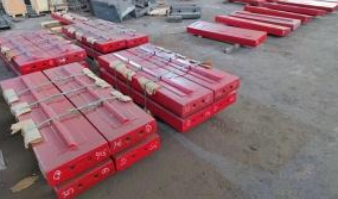
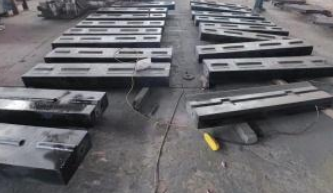
| Jaw Plates | Jaw Crusher | 800-1,000 hrs | 400-600 hrs | Mn22Cr2 High Manganese Steel (SUHMAN standard covers ≤320 MPa) |
| Toggle Plate | Jaw Crusher | 2,000-3,000 hrs | 1,500-2,500 hrs | High-toughness cast iron |
| Mantle | Cone Crusher | 800-1,200 hrs | 500-700 hrs | Premium Alloy Steel |
| Concave | Cone Crusher | 800-1,200 hrs | 500-700 hrs | Premium Alloy Steel |
| Bowl Liner | Cone Crusher | 600-900 hrs | 400-600 hrs | High Manganese / Alloy Steel |
Key Insight: Cone crusher wear parts typically last 30-50% longer than jaw crusher parts because the lamination crushing principle allows “rock to crush rock,” meaning metal parts don’t directly bear the maximum impact. Choosing the right cone crusher means replacing liners 2-3 fewer times per year, saving $5,000-$8,000 in downtime losses.
Further Reading: Want to see the full replacement cycle table? Check out the Crusher Wear Parts Replacement Schedule: Complete 2026 Guide.
Mobile vs Fixed: Selection Logic Has Completely Changed
| Comparison Factor | Fixed Plant Perspective | Mobile Crushing Perspective (SUHMAN) |
| Selection Core | Capacity + Feed Size | Relocation Frequency + Cost/Ton + Wear Parts Life |
| Jaw Crusher Role | Fixed foundation, heavy installation | Tracked self-propulsion, starts in hours |
| Cone Crusher Role | Needs foundation, heavy weight | Tracked chassis offsets weight disadvantage, equalizing mobility |
| Combination Method | Belt conveyor connection | Wireless/wired control, 3-4 units form a complete line |
| Decision Conclusion | “Cone is too heavy, small projects can’t afford it” | “Tracked cone costs $0 to relocate, small projects can use high-end configs” |
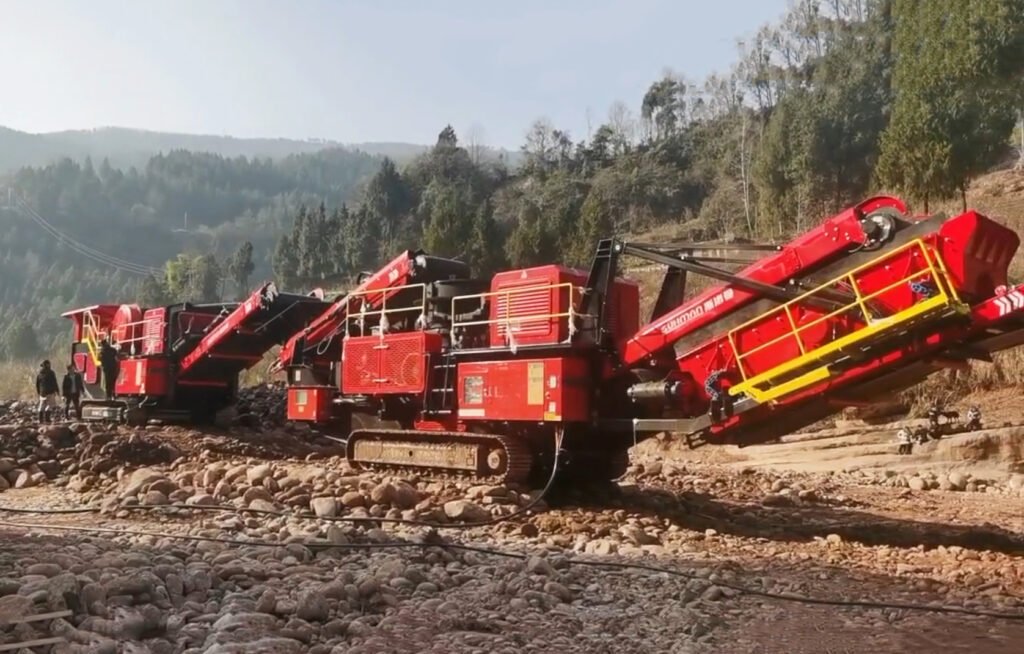
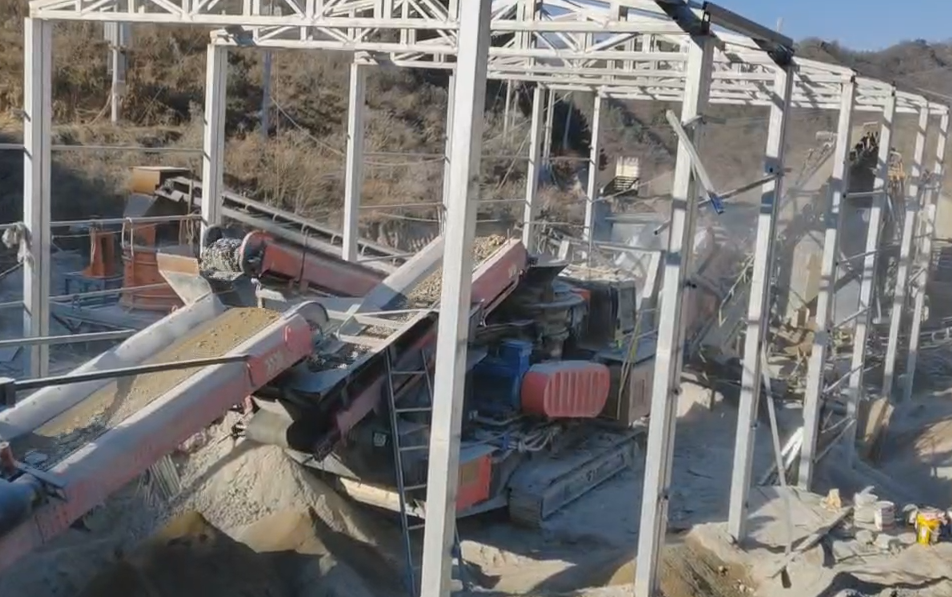
SUHMAN Mobile Jaw + Cone + Screen Combined Operation: Jaw SE-1060 primary crushing → Belt conveyor → Cone SY-HP300 secondary shaping → Screen SS-7018 grading. 4 tracked units, 25-35 days delivery, drive to site and start crushing immediately.

Why a Cone Crusher Must Be Paired with a Screen
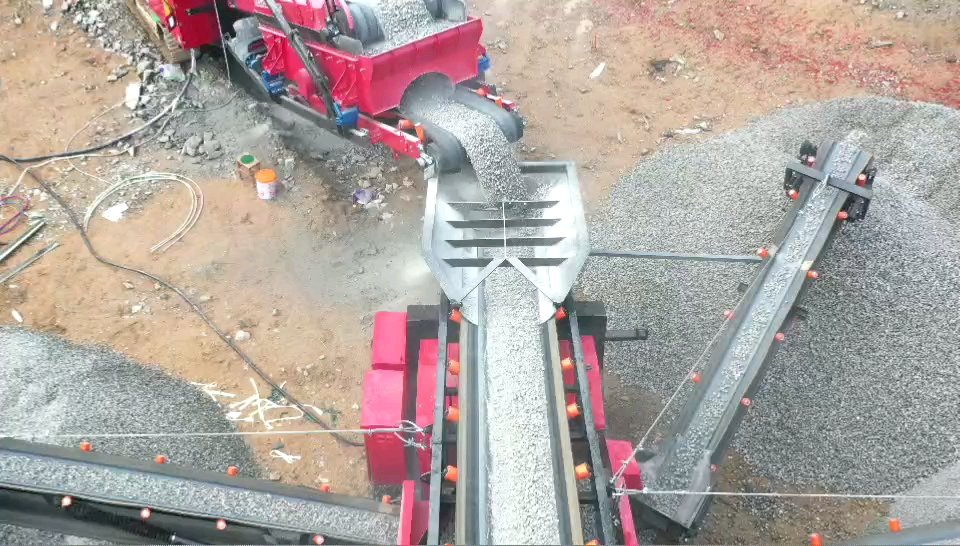
A cone crusher does not work in isolation. It needs to form a “Closed Circuit” with a vibrating screen:
Cone Crusher Output → Vibrating Screen Grading
├── Qualified Size → Product Pile
└── Oversized Material → Return to Cone Crusher for Re-crushing
If you don’t add a screen:
- Output size is uneven, and needle/flake content exceeds standards.
- The cone crusher constantly re-crushes already qualified material, wasting 30-40% of capacity.
- Wear parts life shortens, and cost per ton increases.
SUHMAN Mobile Screening Plant Advantages:
- Wireless connection with jaw/cone crushers for automatic synchronized start/stop.
- Multi-layer screens, separating 0-5mm, 5-10mm, 10-20mm, 20-31.5mm in one pass.
- Tracked self-propulsion, relocating in sync with crushing hosts.
Further Reading: Want to know how screening affects overall line efficiency? Check out SUHMAN Mobile Screening Plant Product Page.
4 Project Scenarios: Which Configuration Should You Choose?
| Project Type | Material | Recommended Configuration (w/ Screen) | Why This Config? |
| Small Quarry / 50-100 TPH | Limestone / Medium-hard | Mobile Jaw + Mobile Impact + Mobile Screen | Impact crusher handles shaping; screen controls final size; lowest investment. |
| Medium Infrastructure / 100-200 TPH | Granite / Basalt | Mobile Jaw + Mobile Cone + Mobile Screen | Hard Rock Golden Combo: Cone for lamination crushing, screen for closed circuit, excellent shape. |

| Large Ready-Mix / 200-300 TPH | River Stone / Hard Rock | Mobile Jaw + Mobile Cone + Mobile VSI + Mobile Screen | Three-stage crushing + screen closed loop; product meets ready-mix standards. |
| Contract Crushing / Frequent Moves | Mixed Materials | Mobile Jaw + Mobile Cone + Mobile Screen (Hybrid) | Tracked self-propulsion + electric crushing; $0 relocation + 70% fuel savings. |
Unsure which configuration fits your project? Tell us your material type and capacity needs. Get a free mobile crushing configuration plan within 2 hours.
[ Get Instant Quote – Response in 2 Hours]
SUHMAN Mobile Jaw & Cone Crusher Solutions
| SUHMAN Advantage | Jaw Crusher | Cone Crusher |
| Compressive Strength | Covers ≤320 MPa (effortless on basalt) | Specialized in medium-hard to hard rock |
| Wear Parts | Mn22Cr2 High Manganese Steel (Military Grade) | Premium Alloy Steel (30% longer life) |
| Power Options | Diesel / Electric / Hybrid (Learn More) | Diesel / Electric / Hybrid |
| Delivery Time | 25-35 Working Days | 25-35 Working Days |
| Spare Parts Support | 1-7 Working Days | 1-7 Working Days |
FAQ: Jaw vs Cone Crushers
Q: Can I use only one machine, either a jaw or a cone crusher?
A: For soft rock (like limestone), you can use a single impact crusher for both primary crushing and shaping. However, for hard rock (granite, basalt), a jaw + cone combination is mandatory. Using only a jaw crusher results in too many needle/flake particles; using only a cone crusher means insufficient feed size and drastically reduced wear parts life.
Q: Is a cone crusher really much more expensive than a jaw crusher?
A: The upfront price is indeed higher, but considering the 30-50% longer wear parts life, less downtime, and higher selling price for the final product (cubic aggregate commands a 10-15% premium), it pays for itself within 1-2 years. SUHMAN mobile cone crushers accept 1 unit orders and ship in 25-35 days, reducing financial pressure.
Q: Can the SUHMAN mobile jaw crusher handle basalt?
A: Absolutely. SUHMAN jaw crushers are designed for rocks with compressive strength ≤320 MPa. Basalt (200-300 MPa) is handled effortlessly. Paired with Mn22Cr2 jaw plates, wear parts life is maximized. Learn more: What Crusher for Basalt.
Q: How fast are delivery and spare parts?
A: Complete mobile machines take 25-35 working days. Wear parts and spare parts take 1-7 working days. For specific MOQ and configuration, please contact the SUHMAN team.
Jaw + Cone: The Golden Combination for Hard Rock
Mobile Jaw Crusher: Primary crushing — Covers ≤320 MPa, Mn22Cr2 wear-resistant jaw plates Mobile Cone Crusher: Secondary shaping — Lamination crushing, 30% longer wear life, <10% needle/flake content Mobile Screening Plant: Closed circuit — Separates 4 sizes in one pass, boosts capacity by 30% Diesel-Electric Hybrid: Diesel for mobility + Electric for crushing — Saves 70% fuel, $0 downtime
Military-grade quality from China State Ordnance factory Complete machines: 25-35 working days | Spare parts: 1-7 working days Want to know what configuration fits your project? Contact the SUHMAN team for a free configuration plan.
Get Instant Quote – Response in 2 Hours
Email: ahsuhman@163.com